
There’s something magical about engaging kids in activities that set their imaginations free. Pretend play worksheets serve as a wonderful gateway for young explorers to dive into a world where creativity knows no bounds.
As children immerse themselves in imaginative play, they not only embark on fun adventures but also boost their cognitive growth by developing problem-solving skills.
These activities help kids tap into their emotional intelligence, allowing them to express feelings and grow awareness of others.
The true charm of these worksheets is how they seamlessly blend learning and play, nurturing social interactions among peers.
When it comes to imaginative play, it serves as a vital tool for creative expression, roleplaying, cognitive growth, and emotional intelligence.
Thematic Adventures In Pretend Play
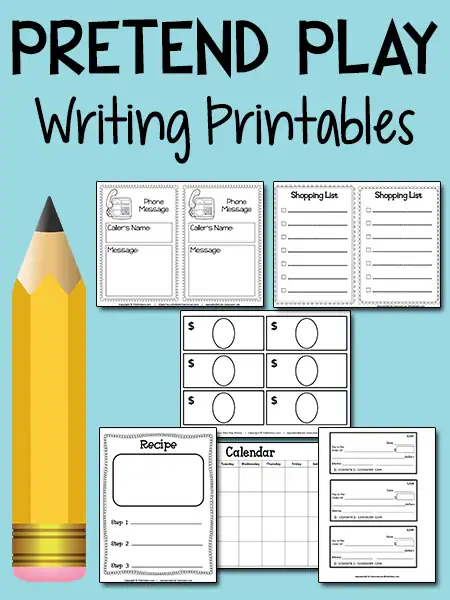
Imagine a world where every playtime opens up a door to endless possibilities! When kids dive into these playful adventures, they embark on journeys filled with creativity and wonder. Each scenario offers them a chance to express themselves while also picking up valuable communication skills.
Whether they’re pretending to be daring explorers or bustling shopkeepers, each themed experience enhances their ability to collaborate with friends.
As they engage in these imaginative stories, they not only have fun but also strengthen their problem-solving skills, tackling various challenges along the way.
It’s a fantastic approach to support child development through engaging educational activities, allowing little ones to thrive in a world that encourages learning and growth
How Do Worksheets Enhance Imaginative Scenarios

Engaging young minds often takes a sprinkle of creativity and a dash of structure. Worksheets serve as a wonderful tool for kids to dive deep into immersive storytelling, allowing them to craft unique characters and plot lines.
This interactive learning experience keeps their curiosity alive.
Open-ended questions found in these worksheets ignite imaginative scenarios, inviting personal expression and creativity.
A structured play framework encourages children to embark on thematic adventures.
They can role-play various situations, seamlessly connecting their imagination with real-life experiences. Such connections enrich their understanding and foster empathy, turning playtime into a vibrant learning journey. With every worksheet, kids begin to understand social cues while having a blast through thematic adventures, interactive learning, and dramatic play that fosters empathy.
Engaging Young Minds
- Worksheets enhance immersive storytelling, enabling kids to create unique characters and plot lines.
- Open-ended questions stimulate imagination and personal expression in children.
- Structured play frameworks facilitate thematic adventures that connect imagination with real-life experiences.
- Role-playing activities help children understand social cues and develop empathy.
Roleplaying For Social Skills Development

Have you noticed how playtime can morph into a mini boot camp for social skills? Engaging exercises like roleplaying allow kids to step into various scenarios, giving them a chance to explore peer relationships in a fun way. Through these playful situations, they practice responding to different interactions, which can boost their confidence in real-life encounters.
It’s not only entertaining; it’s a fantastic method for children to understand emotions and viewpoints that might differ from their own.
By weaving play-based activities into their daily routines, these lessons become even more impactful.
So, the next time your child dives into imaginative play, think about how you can turn it into a valuable learning through play opportunity
Cognitive Growth Through Creative Expression
When kids engage in creative activities, it’s like opening a treasure chest filled with opportunities for growth. Exploring arts and crafts allows their imaginations to soar while honing their narrative abilities.
Each colorful stroke of paint or carefully crafted piece enhances their problem-solving skills and nurtures self-regulation.
Just think about how character creation can spark new adventures in their minds.
These experiences don’t just cultivate individual expression; they also encourage teamwork as kids collaborate on exciting projects. By providing a space where they can unleash their creativity, we unlock doors to their cognitive potential and deepen their emotional understanding. Transitioning from these imaginative journeys, we can’t overlook the impact of roleplaying in developing social skills, as it paves the way for character creation, enhances narrative abilities, fosters teamwork, encourages self-regulation, and inspires creativity through arts and crafts.
Exploring Social Cues With Engaging Exercises
Building connections with others is a delightful journey, and there’s so much to discover along the way. Engaging kids through creative endeavors can make this journey exciting and informative.
For instance, play scenarios allow children to observe reactions and practice empathy while they explore how others feel in various situations.
Open-ended activities, like imaginative role-playing, give them a chance to dive into different emotions and responses, transforming learning into a fun experience.
These adventures not only sharpen their symbolic thought but also boost confidence in their interactions, paving the way for meaningful friendships. Transitioning from playful exploration, we can see how these experiences set the stage for greater emotional intelligence, especially when it comes to dramatic play
Emotional Intelligence In Dramatic Play

Imagine a world where kids can freely express their feelings while having fun. Playtime isn’t just about laughter and games; it’s a wonderful opportunity for children to explore self-expression.
Think back to your childhood—didn’t you love pretending to be someone else? Through these playful scenarios, kids start to understand the emotions they experience and grasp the feelings of others.
This exploration helps them learn about empathy and connection.
When children engage in imaginative activities, they dive deep into a mix of emotions and social interactions.
A simple game of house can ignite conversations about friendship building and cooperation. As they step into different roles, they are not just playing but actively enhancing their group dynamics, learning important social skills along the way, all wrapped up in the joy of play. </self-expression, group dynamics, friendship building, motor skills, and sensory exploration.
| Aspect of Play | Benefits |
|---|---|
| Self-Expression | Helps children understand their own emotions and those of others. |
| Friendship Building | Encourages cooperation and communication among peers. |
| Group Dynamics | Enhances social skills through role-playing and interaction. |
| Imaginative Play | Fosters empathy and connection through diverse scenarios. |
Building Peer Relationships Through Teamwork
Creating meaningful connections with friends often flourishes when collaboration is at play. Teamwork encourages kids to share their ideas and lend support to one another.
Have you ever noticed how smoothly things run when everyone pitches in? Engaging in peer collaboration nurtures a sense of belonging, deepening friendships along the way.
Each time you team up, you dive into imaginative scenarios, helping kids appreciate different viewpoints.
This approach sparks creativity enhancement and allows for shared learning experiences. It’s important to remember that teamwork isn’t solely about getting things done; it’s about forging bonds that endure. So, what’s your favorite way to collaborate with friends, especially when it involves storytelling, peer collaboration on worksheets, and creating imaginative scenarios that enhance creativity?.
Encouraging Self-regulation With Guided Activities

Helping kids manage their emotions can be a fun and engaging journey. Through guided activities, children can explore their feelings while learning to express themselves more openly.
As they interact with various situations, they develop social skills that will serve them well in their daily lives.
Activities centered around child-led exploration can offer a wonderful opportunity for discovery learning.
For example, using pretend scenarios allows children to step into different roles, encouraging both self-expression and self-control. Engaging in these enjoyable activities not only boosts their confidence but also helps them handle their emotions more effectively in the long run.
Emotional Management for Kids
- Guided activities enhance children’s ability to articulate their feelings.
- Developing social skills through interactive scenarios prepares children for real-life situations.
- Child-led exploration fosters independent thinking and problem-solving abilities.
- Engaging in role-play scenarios promotes self-expression and emotional regulation.

Conclusion
Encouraging imaginative play opens up a world of possibilities for kids. Engaging in playful interactions nurtures creativity while also supporting personal growth.
These imaginative exercises cultivate social skills, helping children connect more easily with their peers.
When parents and educators incorporate playful activities into daily routines, they lay the groundwork for emotional management, enabling children to express themselves better.
Simple exercises can ignite curiosity and inspire exploration, creating an enriching environment that lays a solid foundation for lifelong learning. Let’s keep the spirit of imagination alive, allowing our little ones to flourish in all facets of their lives through personal growth, emotional management, visualization, playful interactions, and imaginative exercises.
Originally posted 2025-05-31 23:31:58.


Comments are closed