
Picture your child confidently managing their everyday tasks and feeling a sense of accomplishment! These engaging resources are an excellent way for kids to cultivate healthy habits and structured routines. The design of these sheets makes learning about accountability not just educational but also enjoyable.
With interactive activities and colorful layouts, children can easily understand the importance of taking responsibility for their actions.
When kids interact with these resources, they learn to approach their routines in an organized manner.
This approach helps them maintain consistency and allows them to see their progress along the way. With regular practice, they build confidence in their habits and routines, enhancing their ability to manage worksheets, accountability, and planning.
Benefits Of Responsibility Worksheets For Kids

Engaging kids in activities where they get to practice responsibility can really make a difference in their growth. One aspect that stands out is how these activities encourage ownership.
When children take charge of their tasks, they cultivate accountability in their daily lives, which helps them learn to own their choices and actions!
Another fantastic aspect is how it boosts confidence.
Completing a worksheet gives them a sense of achievement, which is huge for their self-esteem.
Plus, it encourages a little self-reflection on their growth journey, helping them understand how far they’ve come. With each task completion, they discover a newfound appreciation for their abilities.
These activities also play a pivotal role in instilling habits like organization and time management. Regular practice can lead to improved organization, time management, task completion, goal setting, and self-discipline.
How Do Worksheets Promote Good Habits
Imagine a tool that not only makes learning enjoyable but also helps kids build solid habits along the way. Worksheets serve as these fantastic learning tools that encourage engagement and establish routines.
When young learners see their progress documented on paper, it brings a sense of motivation that propels them to keep going—almost like having a personal cheerleader celebrating their daily efforts!
Visual Learning: Worksheets bring a visual structure to the table, allowing kids to easily track their activities and accomplishments.
This kind of positive reinforcement reinforces the idea that small steps can lead to significant changes over time.
Accountability: When children complete worksheets, they take ownership of their actions. This newfound sense of accountability can be a game-changer in cultivating reliable behavioral patterns through motivation, positive reinforcement, and effective learning tools that enhance productivity.
Setting Goals With Effective Planning
Helping kids set their sights on what they want to achieve can truly transform their approach to life. It nurtures a growth mindset, motivating them to tackle daily chores and embrace new experiences with energy and enthusiasm.
When children have clear objectives to aspire to, they tend to remain engaged and motivated throughout their journey.
Worksheets serve as fantastic educational resources for tracking these ambitions.
They offer kids a structured path, breaking down lofty dreams into manageable steps.
Collaborating on these sheets enhances strategic thinking and problem-solving skills, making the goal-setting experience both engaging and educational.
Let’s not overlook the importance of balancing short-term and long-term aspirations. Short-term goals act as stepping stones, providing kids with essential daily chores, life skills, educational resources, and the foundation for a growth mindset and strategic thinking.
Encouraging Accountability Through Task Completion

It’s all about fostering a sense of ownership in children from a young age. Personal responsibility plays a vital role in their development.
This skill is key for building self-regulation and commitment over time.
You can spark their interest by breaking tasks down into smaller, manageable steps.
When kids can track their progress, it keeps them engaged and eager to see things through.
Using visual aids can enhance engagement in tracking accomplishments! Stick charts or colorful calendars can illustrate their successes. Celebrating these small victories boosts their confidence.
Consistency is important, and regular check-ins can help kids reflect on how they feel about their responsibilities
Fostering Ownership in Children
- Children who develop personal responsibility are more likely to exhibit self-regulation and commitment in various aspects of their lives.
- Breaking tasks into smaller steps can significantly enhance children’s engagement and motivation to complete them.
- Visual aids, such as charts and calendars, have been shown to improve tracking of accomplishments and boost children’s confidence.
- Regular check-ins promote reflection and help children understand their feelings about their responsibilities, reinforcing their sense of ownership.
Routines That Foster Independence And Organization
Creating a structured environment can really enhance a child’s learning experience. When kids have a clear framework for their day, they begin to pick up on responsibility naturally.
These daily structures transform their approach, paving the way for skill development that’s key to their future.
Think about using reward systems to celebrate their accomplishments.
When tasks are completed on time, those little victories deserve a cheer! Engaging them with habit tracking can also make the process interactive; it allows them to see their growth visually. Tailoring routines to fit your child’s personality is a wonderful way to build their confidence and foster independence.
Transitioning from encouraging accountability through task completion to developing self-discipline with daily chores can be seamless when those routines are set in place. Daily chores provide a fantastic opportunity for reward systems, habit tracking, interactive learning, and skill development in parenting.
Developing Self-Discipline With Daily Chores
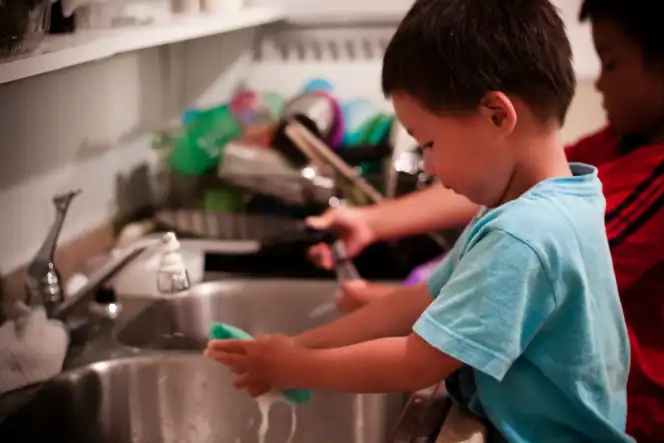
Creating a harmonious home environment often starts with daily tasks. When children engage in these responsibilities, they not only learn how to take charge but also foster a sense of independence.
This kind of structure is essential for helping them grasp the idea of accountability—every small chore contributes to their character building.
When kids consistently tackle these tasks, they establish a routine that can significantly enhance their cognitive development.
A little consistency can teach them valuable lessons about managing their time and personal space better. By making chores entertaining, you can encourage kids to embrace their autonomy and take pride in their contributions.
As we transition from routines that foster independence and organization, it’s important to highlight the vital role that structure plays in promoting cognitive development, character building, and autonomy.
- Engaging in daily chores helps children develop a sense of responsibility and accountability.
- Consistent routines contribute to cognitive development and improved time management skills.
- Chores can be made fun, encouraging children to take pride in their contributions and embrace independence.
- Structure in daily tasks is essential for character building and fostering autonomy in children.
Tracking Progress For Motivation And Success
Tracking your child’s achievements can truly boost their confidence. When they see their progress, their motivation really takes off.
It’s all about those little wins adding up over time.
Using worksheets can enhance their resourcefulness while keeping them engaged.
Tailoring these materials to their interests not only maintains excitement but also makes learning feel personalized and fun.
Establishing clear goals is a game changer. When kids participate in decision making about what they want to achieve, they tend to become more committed.
Regular feedback along the way helps them recognize and celebrate each milestone, which reinforces positive habits. This kind of supportive environment sets the stage for success as they move forward.
Transitioning from monitoring achievements to engaging in positive reinforcement strategies ensures ongoing motivation. Incorporating both resourcefulness and emotional intelligence enhances our feedback mechanisms, improves problem-solving skills, and leads to more effective decision-making.
Engaging In Positive Reinforcement Strategies

Creating a nurturing environment can lead to remarkable behavior changes in your child. By grasping the basics, you’ll find ways to engage effectively and encourage positive actions that foster perseverance.
Start by pinpointing the behaviors you’d like to see more of—whether it’s sharing toys or tackling homework.
Identifying these areas is pivotal to encouraging achievement.
After that, think about what rewards might bring joy to your little one. Kids often thrive on rewards that excite them, like colorful stickers or bonus playtime.
Timing plays a significant role here! Offering rewards immediately after a desired action can enhance their success strategies. Consistency is equally important; it helps your child know what to expect, reinforcing those learning habits. As we move from tracking progress for motivation and success, consider how these perseverance and achievement strategies, alongside visualization techniques and educational games, can enhance our approach to learning and growth.
Nurturing Child Behavior
- Children respond positively to consistent rewards, which can improve their motivation and reinforce desired behaviors.
- Immediate reinforcement of good behavior, such as offering rewards right after the action, significantly enhances learning and retention.
- Identifying specific behaviors to encourage, like sharing or completing homework, is crucial for fostering achievement and perseverance.
- Incorporating fun elements, such as educational games and visualization techniques, can make learning more engaging and effective for children.
Conclusion
Wrapping up our discussion, it’s evident that fostering a sense of accountability in children is key. Introducing responsibility charts can turn learning tasks into an engaging game, making it enjoyable for them.
Utilizing task lists helps kids feel a sense of achievement as they check off completed items.
Keeping daily schedules allows them to see the rhythm of their day, which strengthens their understanding of routines.
When we embed these practices, we’re equipping them with skills that promote lifelong learning and confidence building. Kids truly thrive on structure, so putting these strategies into action can lead to significant growth.
It’s all about discovering what resonates with your child and weaving it into your daily life.
Originally posted 2025-02-11 23:30:19.


Comments are closed