
Choosing the right stories can truly transform your child’s world. Books that focus on emotional intelligence support little ones in building vital skills as they journey through life.
These engaging tales foster empathy development, allowing children under 10 to grasp important social concepts while connecting with characters and situations that resonate with their own experiences.
As they dive into these narratives, kids learn more about conflict resolution, gaining tools to handle their emotions and understand the feelings of others.
This exploration also nurtures mindfulness for kids, enhancing their awareness of both their inner experiences and those of their peers. With a treasure trove of options available in children’s literature, emotional intelligence, empathy development, mindfulness for kids, and character education, parents and educators can cultivate well-rounded, emotionally aware individuals.
Here are some of our hand-picked social emotional learning books for kids under 10:
| Book Title | Author | SEL Focus | Why It’s Great for Kids | Age Range |
|---|---|---|---|---|
| The Color Monster: A Story About Emotions | Anna Llenas | Emotional awareness, naming feelings | Uses colorful visuals to help kids recognize and label emotions. | 3–7 |
| In My Heart: A Book of Feelings | Jo Witek | Emotional expression, self-awareness | Explores many types of feelings with playful illustrations. | 3–8 |
| Have You Filled a Bucket Today? | Carol McCloud | Kindness, empathy, positive behavior | Teaches “bucket filling” as a metaphor for kindness. | 4–9 |
| What Should Danny Do? (Power to Choose series) | Ganit & Adir Levy | Decision-making, consequences, responsibility | Interactive “choose your path” story empowers kids to make positive choices. | 5–10 |
| I Am Enough | Grace Byers | Self-esteem, confidence, acceptance | Uplifting, lyrical book that reinforces self-worth and kindness. | 4–8 |
| My Magic Breath: Finding Calm Through Mindful Breathing | Nick Ortner & Alison Taylor | Mindfulness, calming strategies | Teaches kids how breathing helps with big feelings. | 4–8 |
| The Rabbit Listened | Cori Doerrfeld | Empathy, resilience, coping with loss | Simple, powerful story about listening and compassion. | 3–7 |
| A Little Spot of Emotion Series | Diane Alber | Identifying and managing emotions | Fun “spots” represent different emotions with strategies to handle them. | 4–9 |
| The Day You Begin | Jacqueline Woodson | Belonging, diversity, self-confidence | Encourages kids to embrace differences and share their stories. | 5–9 |
| Listening to My Body | Gabi Garcia | Self-regulation, body awareness | Helps kids connect physical sensations to emotions. | 4–8 |
Understanding Emotional Literacy In Children

Helping kids connect with their feelings is a big part of their development journey. When they grasp emotional awareness, it opens doors to recognizing and understanding emotions not just within themselves but also in others.
This skill nurtures their interpersonal skills, empowering them to express their feelings in healthy ways.
As children refine these abilities, they can cultivate resilience building, leading to stronger relationships and a more meaningful existence.
Encouraging conversations about emotions weaves these important lessons into everyday life.
Engaging in simple discussions during activities can really make an impact. For example, you might ask how they feel about certain events or characters in stories. Such practices not only enrich their self-regulation but also lay the groundwork for a more empathetic and connected future by fostering interpersonal skills, resilience building, social skills, and emotional awareness.
How Can Books Teach Empathy Development

Have you ever thought about how a story can touch our hearts? When we dive into the world of books, we’re not just escaping reality; we’re also exploring different emotions and situations that broaden our understanding of others. Stories act as windows into the lives of characters, allowing young readers to immerse themselves in various experiences, which is a fantastic way to foster growth mindset in kids.
For example, when characters express their feelings, children can step into their shoes, experiencing their joys and struggles firsthand.
Transitioning to the next point, emotional connection is a big deal when it comes to literature.
Relatable characters help kids recognize their own feelings, which enriches their emotional literacy. This awareness transforms reading into a platform for discussions about feelings, further supporting mental health and coping strategies in children’s psychology, fostering a growth mindset essential for early childhood education.
Benefits Of Mindfulness For Kids Literature
Delving into the world of literature opens up many avenues for helping kids nurture emotional intelligence. Through the pages of captivating stories, children not only learn about their own feelings but also see characters dealing with various challenges.
This fosters a healthy way to express emotions, ultimately guiding them in nurturing relationships with others and cultivating empathy.

Engaging narratives can spark the development of communication skills.
Books often highlight teamwork and collaboration, making reading a delightful shared experience.
Many popular children’s stories even incorporate activities that promote conflict resolution and positive reinforcement, encouraging kids to learn by doing and exploring new solutions to everyday problems.
As we explore these valuable insights, it’s important to recognize how empathy development lays the foundation for nurturing relationships, enhancing communication skills, facilitating conflict resolution, promoting positive reinforcement, and fostering effective problem-solving.
Exploring Emotional Awareness Through Storytelling

Stories have a unique way of touching our hearts and sparking real emotions. They go beyond mere entertainment; through storytelling, we dive deep into our own feelings and learn more about ourselves.
When kids immerse themselves in narratives, they not only enjoy the adventure but also expand their emotional vocabulary.
It’s a safe space where they can explore and express what they’re feeling.
Think back to those beloved childhood tales—did they impart important values or help you in relationship building? Maybe they introduced age-appropriate themes that resonated deeply with your own experiences. These narratives weave connections among us, offering rich lessons about empathy and understanding, much like the benefits of mindfulness for kids found in literature. As we transition to discussing how resilience building can be fostered through children’s storytelling, values education, age-appropriate themes, relationship building, and emotional vocabulary, we can uncover essential strategies for nurturing their emotional growth and overall well-being.
Fostering Resilience Building With Children’s Books
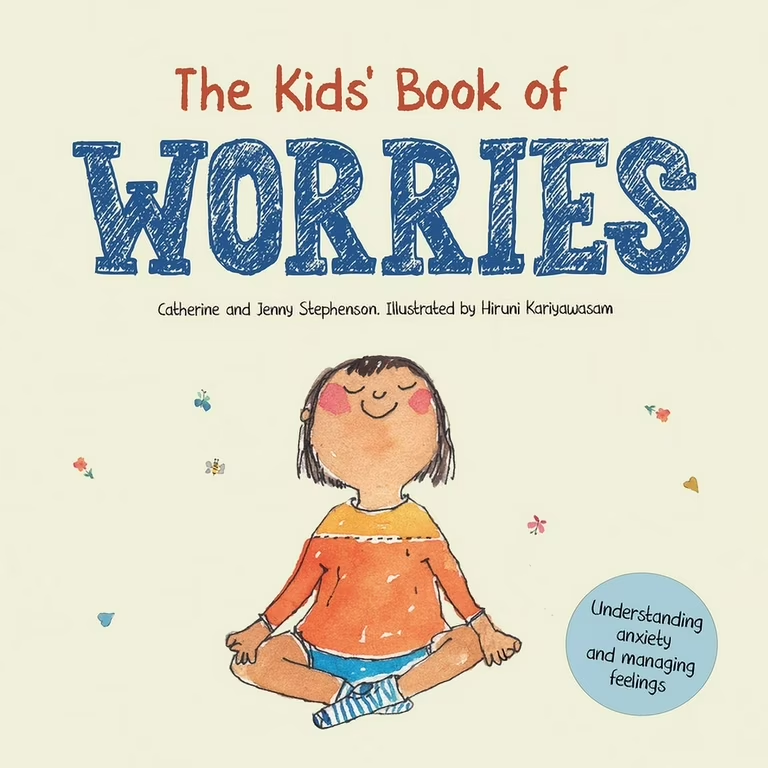
Books for children offer fantastic avenues for exploring emotions and fostering personal growth. They serve not just as stories, but as welcoming gateways for feelings exploration.
When young readers encounter characters facing adversity, it helps them realize that struggles are part of their journey.
These narratives often weave in moral lessons that enrich their understanding of life skills.
Friendship stories shine a light on the importance of support and teamwork, showing kids how to lean on one another during tough times. Through engaging with these tales, children can learn to tackle problems and bounce back from setbacks.
It’s all about nurturing their psychological growth through relatable experiences, which perfectly ties into our earlier discussion on exploring emotional awareness through storytelling. As we move forward, let’s dive into the role of character education through children’s books, which foster psychological growth, encourage feelings exploration, and impart moral lessons through engaging friendship stories.
The Role Of Character Education In Growth

Creating an environment where children can flourish goes beyond academics; it’s about nurturing their growth in meaningful ways. When kids actively engage in imaginative play, they not only develop creativity but also learn vital life skills that shape who they will become.
Supportive environments allow them to explore values such as kindness and respect, enabling them to express their feelings and understand those of others.
This exploration contributes to a strong foundation for resilience, making them better equipped for future challenges.
Families play an integral role in this journey, reinforcing lessons learned in school and embedding those values into their everyday interactions. As we move from fostering resilience with children’s books, it’s crucial to see how these experiences pave the way for encouraging positive behaviors in young readers, leading to holistic development.
These elements foster family dynamics, imaginative play, supportive environments, life skills, and creativity.
| Key Elements | Importance |
|---|---|
| Imaginative Play | Enhances creativity and problem-solving skills |
| Supportive Environments | Encourage exploration of values like kindness and respect |
| Life Skills Development | Builds resilience and prepares children for future challenges |
| Family Involvement | Reinforces lessons learned and embeds values in daily life |
Encouraging Positive Behaviors In Young Readers

Engaging with stories opens up a world where young minds can explore big ideas and feelings. Through the adventures of characters overcoming obstacles, children can learn about compassionate communication and enhance their peer interactions.
These narratives not only entertain but also empower kids to reflect on their emotions, which plays a significant role in building self-esteem.
When children see relatable situations, it becomes easier for them to understand the value of kindness and teamwork.
Encouraging conversations about the stories they read can reinforce lessons on behavior management, making it a delightful and enriching experience.
Selecting the right books is key to this journey. Opt for tales that highlight teamwork and problem-solving, allowing kids to identify with the characters. This creates perfect moments for them to ask questions and relate to behavior management, compassionate communication, happiness, self-esteem, and peer interactions.
Nurturing Relationships Through Shared Reading
Diving into a good book can be a delightful way to create lasting bonds. When parents and children share stories, they’re really nurturing empathy and opening up new conversations.
This experience allows kids to express their thoughts and feelings about the characters, reflecting their own lives in a way that feels safe and supportive.

Establishing a reading routine can also inspire positive behaviors.
Make it a cozy habit; it’s a wonderful way to connect.
Relating stories to family experiences enhances understanding of emotions and promotes wellbeing. Embrace this time together, and you’ll see your relationship flourish through the joy of shared reading.
As we encourage positive behaviors in young readers, each story acts as a powerful tool for nurturing empathy, fostering personal development, and promoting wellbeing through engaging social narratives.
| Benefits of Shared Reading | Supporting Evidence |
|---|---|
| Nurtures Empathy | Encourages children to express thoughts and feelings about characters. |
| Inspires Positive Behaviors | Establishing a reading routine fosters good habits and connections. |
| Enhances Emotional Understanding | Relating stories to family experiences promotes emotional wellbeing. |
| Fosters Personal Development | Each story serves as a tool for growth and understanding through narratives. |
Conclusion
Sharing stories with your child can open up worlds of discovery and connection. It’s truly remarkable how a good book can lead to heartfelt conversations.
As you delve into these tales together, you’re not only igniting their imagination but also nurturing valuable emotional literacy.
This journey creates opportunities for children to cultivate important character traits like kindness and empathy.
Making storytelling a part of your routine doesn’t need to be elaborate. Simple discussions about feelings woven into the narrative can significantly enhance their self-awareness and provide tools for stress management. So, why not pick out a story today? Dive into those adventures, strengthen your bond, and watch as the benefits blossom, enhancing your stress management, character traits, self-awareness, kindness, and emotional literacy.
Originally posted 2025-08-28 07:47:42.


Comments are closed