
Matching worksheets blend fun with learning, acting as remarkable tools for cognitive development. They encourage children to link related ideas, which not only bolsters their memory but also promotes logical reasoning.
As kids engage in these interactive tasks, they partake in memory games that feel like playtime.
These educational activities enhance brain training while sharpening critical thinking skills.
Whether you’re at home or in the classroom, adding matching worksheets can truly transform the way your little learners absorb information.
Cognitive Development Through Matching Exercises

Engaging kids in playful activities can spark their creativity and enhance their learning experience. One way to do this is through the use of matching exercises, which serve as an entertaining yet effective method for skill enhancement.
These activities invite children to identify patterns and make connections, all while having fun.
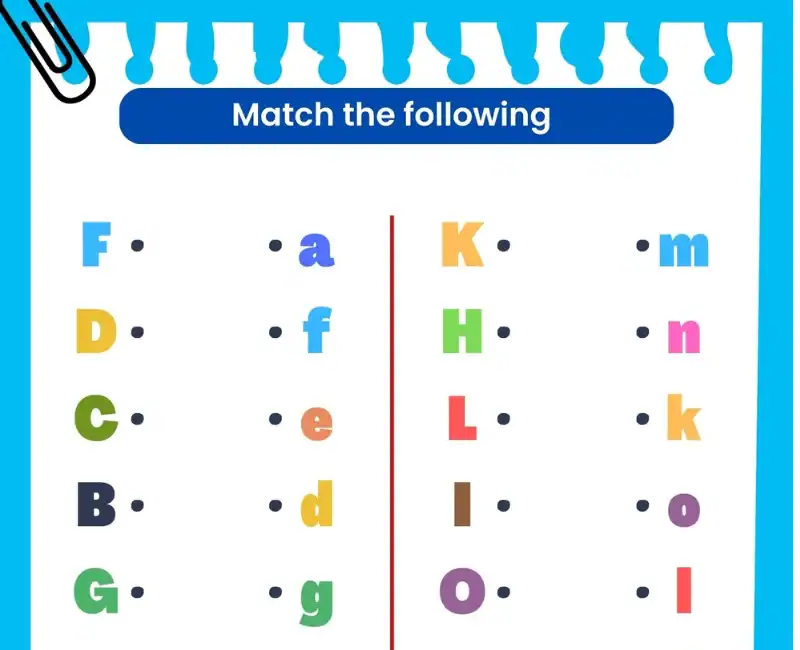
Worksheets for children featuring matching tasks can significantly boost memory retention and efficiency in associative learning.
Not only do these exercises promote critical thinking, but they also keep young minds curious and motivated. Whether kids are matching images or words, they’re building a sturdy foundation for future learning.
Transitioning from these playful activities, let’s explore how memory games enhance learning in exciting ways.
How Do Memory Games Enhance Learning
Games designed to challenge memory can be more than just entertaining; they play a significant role in learning. These interactive experiences sharpen visual memory, as children concentrate on recalling where cards are placed.
While they’re having fun, kids enhance their ability to recognize patterns and sequences, making it a delight to observe their connections during play.
Alongside boosting recall, these games also foster problem-solving skills.
When children strategize their next moves based on previous turns, they dive into a world of interactive learning.
This delightful blend of enjoyment and education truly makes memory games a wonderful tool for supporting cognitive growth.
As we explore further, the importance of engaging children with educational activities becomes evident. When kids participate in activities that promote visual memory, pattern recognition, and problem-solving, they engage in mental exercises that enhance their learning through interactive experiences.
Memory Games
- Memory games improve visual memory by requiring children to recall the locations of cards.
- These games enhance pattern recognition and sequence identification, fostering cognitive connections.
- Engaging in memory games promotes problem-solving skills through strategic thinking and planning.
- Interactive learning experiences in games support overall cognitive growth and development in children.
Engaging Children With Educational Activities

Engaging young minds can be as simple as incorporating enjoyable, interactive experiences into their learning journey. Hands-on activities grab their attention and spark curiosity.
When children actively participate, they not only have fun but also boost their cognitive skills.
Simple projects like crafting or building can captivate them, making them eager to explore new concepts.
Importance of Hands-On Learning:
Active participation through hands-on activities fosters engagement and curiosity.
Think about exciting science experiments or adventurous nature walks! These memorable experiences enhance retention and help embed information in their minds.
Using Creative Worksheets:
Worksheets can transform mundane moments into fun learning tools. By enhancing cognitive skills, concentration, retention, and engagement through effective learning tools, students can achieve greater academic success.
Strengthening Logical Reasoning In Kids
Helping kids think clearly and make connections is an amazing adventure. This skill is crucial for their growth, as it encourages them to approach problems with a thoughtful mindset.
Engaging in fun activities like logical puzzles can really bolster their cognitive development.
When children tackle games and challenges, it feels more like playing than learning, which is a win-win! Encourage your little ones to ask questions and explore answers creatively through educational resources.
This playful approach supports memory retention while building a strong foundation in reasoning, important for their everyday choices. Transitioning to worksheets can further enhance their learning journey by providing structure and reinforcing these skills
Cognitive Development in Children
- Engaging in logical puzzles can enhance problem-solving skills and critical thinking.
- Play-based learning increases motivation and makes educational activities enjoyable.
- Asking questions fosters curiosity and promotes deeper understanding of concepts.
- Worksheets provide structured practice, reinforcing skills learned through play.
Benefits Of Worksheets For Children’s Memory

Using engaging tools can really help kids sharpen their minds and make learning feel less like a chore. Worksheets serve as a fun way to tackle cognitive tasks, giving children a chance to enhance their recall skills while enjoying themselves.
When youngsters practice retrieving information, they not only improve their memory but also discover how delightful learning can be.
These activities present challenges that hone logical thinking, which is fantastic for early education.
With interactive and colorful designs, worksheets grab a child’s attention span, making it easier for them to connect with the material.
It creates a hands-on experience that sticks with them, setting a solid foundation for their developmental milestones. Transitioning from enhancing memory to strengthening logical reasoning, kids can benefit immensely from these engaging exercises that incorporate cognitive tasks, sensory activities, and early education to boost their attention span and support critical developmental milestones.
Fun Ways To Improve Concentration Skills?

There are many playful approaches to boost those concentration skills!. Kids don’t even realize they’re learning! Mindfulness activities also make a difference.
Simple breathing exercises can calm a busy mind and create space for focused attention.
Adding storytelling with mnemonic devices transforms learning into an exciting adventure.
Let’s not forget about puzzles and drawing—these activities can turn skill-building into a delightful experience. learning strategies that incorporate information processing and mnemonic devices for effective skill-building while ensuring fun learning experiences.
Concentration Skills
- Mindfulness activities can significantly enhance focus and reduce stress in children.
- Breathing exercises are proven to improve cognitive function and attention span.
- Using mnemonic devices can increase memory retention and make learning more engaging.
- Activities like puzzles and drawing foster creativity while reinforcing concentration skills.
Exploring Critical Thinking With Matching Worksheets
Have you ever wondered about the magic of simple worksheets that make learning feel like a game? These tools can significantly enhance kids’ reasoning abilities as they engage in connecting ideas and images. Through these fun exercises, little learners dive into cognitive enhancement while pairing concepts effectively.
This method not only makes lessons enjoyable but also helps sustain focus during various activities.
Suitable for multiple subjects, these worksheets serve as great resources for both teachers and parents.
As children navigate through these tasks, they gain confidence, setting the stage for continued academic achievement. Transitioning smoothly from fun ways to improve concentration skills, we can see how interactive learning can further enhance retention, making education a delightful experience
Enhancing Retention Through Interactive Learning
Imagine a classroom where kids are fully engaged, their minds buzzing with curiosity. This vibrant atmosphere is a hallmark of interactive learning methodologies, which truly bring lessons to life.
By tapping into child psychology, students become active participants rather than passive listeners, allowing for a richer educational experience.
When children engage in hands-on projects, they not only apply their knowledge creatively but also develop their mental agility.
These activities foster a dynamic environment where deeper understanding flourishes. Incorporating games adds another layer of excitement, transforming lessons into delightful adventures that enhance knowledge retention.
When students interact with content through various methods, the impact on how they absorb information can be significant.
During play and exploration, kids aren’t merely repeating facts; they’re constructing meaningful connections that enhance mental agility, facilitate knowledge retention, and are supported by interactive exercises grounded in child psychology and innovative learning methodologies.
| Benefits of Interactive Learning | Impact on Students |
|---|---|
| Enhances Engagement | Students become active participants |
| Fosters Mental Agility | Develops creative application of knowledge |
| Improves Knowledge Retention | Transform lessons into delightful adventures |
| Supports Constructive Connections | Facilitates deeper understanding |
Conclusion
Reflecting on the insights we’ve shared, interactive learning opens up a world of opportunities for kids to thrive. Engaging activities not only make learning enjoyable, but also play a significant role in memory strengthening.
When little ones dive into educational games and fun brain exercises, they grasp complex ideas effortlessly.
Structured worksheets promote systematic thinking, ensuring that kids sharpen their cognitive skills while having a blast.
This journey of discovery keeps them excited and eager to learn more. So, whether you’re guiding a classroom or nurturing your child at home, embracing variety is essential. Let’s transform every learning experience into a memorable adventure through visual learning, educational games, brain exercises, systematic thinking, and memory strengthening.
Originally posted 2025-08-01 23:31:06.


Comments are closed