
Every single day is packed with opportunities for kids to flex their decision-making skills. Supporting them through these moments can profoundly shape their future.
A great starting point is to foster open conversations about their choices.
Engage them by asking how they feel about different options and what they imagine might happen next.
This approach not only sparks critical thinking but also encourages them to express their thoughts. You can even bring real-life scenarios into the mix, like selecting snacks or deciding which friends to play with, creating a fun environment for problem-solving together.
It’s all about guiding them, not pushing too hard. Your involvement during these moments boosts their confidence and helps them grasp the impact of decision-making skills, positive reinforcement, problem-solving, and critical thinking instilled through parental guidance.
Understanding Decisionmaking Skills In Kids

Kids encounter choices every day, and their approach to these moments can influence their growth and independence. When they practice their decision-making skills, they not only gain insights into responsibility but also learn important life lessons about consequences.
It’s beneficial for parents to create a safe environment where children can explore their options without fear.
Role modeling good habits in decision-making can reinforce these skills.
By engaging them with thought-provoking questions, you help your child think critically about their choices, which builds confidence and fosters moral development as they experience the ups and downs of growing up.
Transitioning from everyday choices to deeper discussions can strengthen their emotional intelligence, enriching their understanding of the world around them.
Shifting from how to help children make good choices through role modeling, fostering emotional intelligence, imparting life lessons, supporting moral development, and implementing choice architecture.
How Does Positive Reinforcement Help?

Creating a warm and supportive atmosphere can do wonders for children’s growth. When kids feel appreciated, it boosts their confidence and self-esteem.
Praise for their actions helps them see themselves positively, which can profoundly influence their decision-making skills.
Feeling recognized helps them understand the behavioral expectations set around them and encourages them to repeat those positive choices.
Rewarding desired behaviors can lead to nurturing independence.
For instance, when a child shares toys or lends a hand to a sibling, acknowledging these actions reinforces their significance. This approach not only promotes good behavior but also fosters self-regulation, as they learn to effectively communicate their needs and navigate their social world.
Transitioning from building confidence, it’s equally important to establish behavioral expectations and consequences while nurturing independence, self-regulation, and effective communication.
Children’s Growth and Development
- Children who receive regular praise are more likely to develop higher self-esteem and confidence.
- Positive reinforcement of sharing and helping behaviors encourages children to engage in these actions more frequently.
- Establishing clear behavioral expectations helps children understand acceptable behaviors and promotes self-regulation.
- Effective communication skills are enhanced when children are encouraged to express their needs and feelings in a supportive environment.
Encouraging Problem Solving In Daily Life
Every day brings a fresh opportunity for kids to tackle challenges and grow their skills. Teaching them how to handle different situations not only prepares them for choices they’ll face later, but also instills a strong sense of values education through their experiences.
When children learn to engage in conflict resolution, they gain insights into their own decisions and how those choices affect others.

Creating a supportive environment at home plays a significant role in this journey.
Encourage your child to open up about the obstacles they encounter.
By fostering a comfortable space for them to express thoughts and feelings, you’re promoting empathy and understanding, which enhance their ability to process these situations constructively.
Everyday choices serve as perfect practice grounds. Simple conflict resolution requires empathy, values education, situational awareness, and risk assessment.
Fostering Critical Thinking With Scenarios
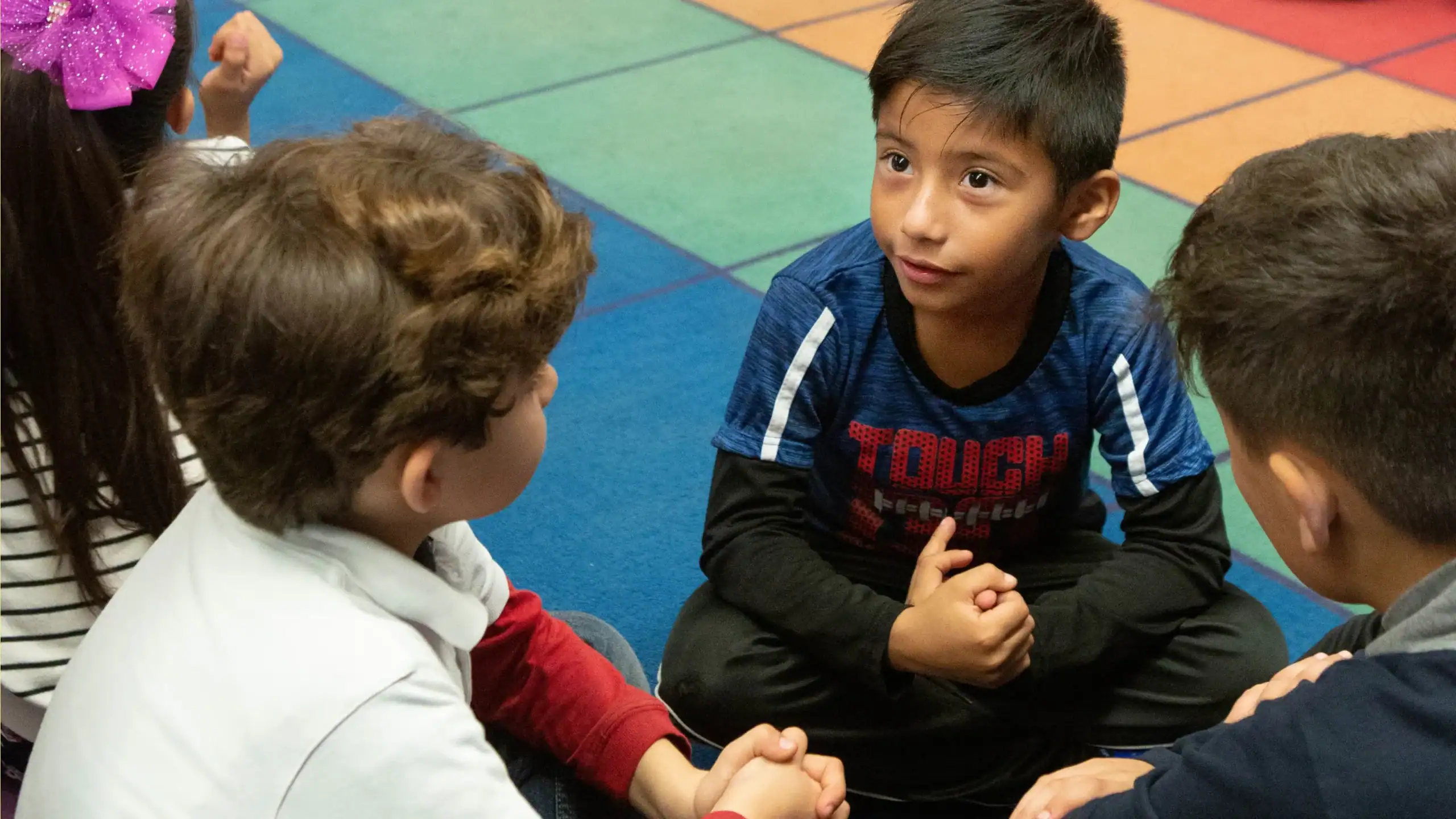
Engaging kids with real-life situations can truly ignite their thinking about choices. By weaving in relatable scenarios, we spark their curiosity and imagination, which is an excellent foundation for ethical reasoning.
It’s essential to ensure these contexts are age-appropriate, as familiarity increases their interest and involvement.
Encouraging children to create their own scenarios can lead to wonderful conversations about decision-making and peer influence.
This collaboration not only deepens their understanding but also aids in developing impulse control. As they practice navigating these situations, they become better equipped for future challenges
The Role Of Parental Guidance In Choices
Kids make choices every day, and it’s part of our journey as guardians to steer them through those moments. Conversations are the foundation for building trust-building and self-esteem.
When we demonstrate effective decision-making, our little ones pick up on those lessons.
Whether it’s deciding what to eat for lunch or figuring out how to resolve a spat with a friend, each discussion helps them grow in confidence.
Creating a safe space for decision-making fosters mindfulness in their thought processes.

Encourage your kids to express their opinions and feelings openly, where they won’t feel judged. Supporting their independence while offering the structure they need creates a balance.
This approach teaches them to think critically while knowing they have your unwavering support.
Engaging in mindfulness and trustbuilding fosters confidence and self-esteem, ultimately promoting proactive parenting.
Building Emotional Intelligence Through Discussions
Isn’t it amazing how casual chats can influence our children’s emotional growth? Engaging them in conversations about their feelings can significantly boost their emotional intelligence. By asking open-ended questions, you invite them to explore their thoughts, which not only fosters expression but also supports character building through decision-making based on their emotions.

Sharing your own experiences serves as a model for emotional responses.
Highlighting teachable moments during their challenges can create valuable opportunities for growth.
Reflecting on these instances together strengthens their ability to handle life’s ups and downs.
Each discussion helps them understand their emotional landscape a little better, setting a solid foundation for future interactions.
| Emotional Growth Factors | Impact on Children |
|---|---|
| Open-ended questions | Encourages exploration of thoughts |
| Sharing personal experiences | Models emotional responses |
| Teachable moments | Creates opportunities for growth |
| Reflective discussions | Strengthens emotional understanding |
Why Are Life Lessons Important For Growth?
We all experience moments that leave a mark on us, helping shape who we are. Connecting experiences to understanding plays a big role here.
When we share personal stories, they not only help us relate but also become valuable decision support for others learning through similar situations.
These moments teach us to see things from different angles and grow in ways we might not have expected.
Next, building skills for effective decision-making is key. Each lesson we learn empowers us to make better choices in our lives.
Mistakes become powerful teachers, providing us with the decision support we need for future actions.
Family discussions about experiences can enhance resilience and boost confidence. Through these conversations, we cultivate a resilient and assertive approach to decision support, enabling effective family discussions and goal setting.
Nurturing Independence And Self-regulation In Children

Helping kids find their own footing is a journey filled with exciting possibilities. Fostering this growth not only builds their confidence but also encourages them to embrace their unique paths.
It’s more than just letting them do things alone; it involves empowering them to make choices and reflect on the outcomes.
As children engage in collaborative problem-solving, they not only discover alternative solutions but also nurture their emotional intelligence.
When kids start to take ownership of their decisions, they open up a world of learning experiences that contribute to their overall growth.
Creating an inviting space for making decisions at home can truly boost their confidence. Begin with simple practices that encourage kids to express their opinions.
For example, invite them to help choose their outfits or select snacks. These moments allow them to practice guided exploration of motivational interviewing, collaborative problem-solving, and alternative solutions while building support networks.
Empowering Children’s Decision-Making
- Children who engage in decision-making activities develop stronger problem-solving skills.
- Empowering kids to express their opinions can lead to increased self-esteem and confidence.
- Collaborative problem-solving fosters emotional intelligence and social skills in children.
- Involving children in choices, like selecting outfits or snacks, promotes independence and critical thinking.
Conclusion
Taking a moment to think about how we influence children’s choices can lead to meaningful growth. By emphasizing personal responsibility, we help kids build the confidence to own their decisions.
It’s about laying down a strong foundation of autonomy encouragement that nurtures their development.
Everyday moments offer fantastic opportunities for kids to practice these skills.
Encourage them to share their thoughts and work through their ideas.
Mentorship makes a significant impact as they deal with various situations.
As we move forward, let’s stay dedicated to offering the right educational resources that enhance their independence and self-assurance. Together, we can support their journey to thriving through personal responsibility, autonomy encouragement, mentorship, behavioral modeling, and educational resources.
Originally posted 2025-06-11 07:48:37.


Comments are closed