
There’s something truly magical about playtime, especially for younger kids. Engaging in interactive play can open the door to emotion regulation, helping little ones navigate their feelings while having fun.
Through these experiences, children develop empathy development and start to understand how their actions impact their friends.
Cooperative games are a wonderful way to foster teamwork, as they encourage kids to share, take turns, and communicate effectively with one another.
These moments not only enhance social skills but also promote self-awareness activities, allowing children to recognize and express their own emotions in a supportive environment. With thoughtfully chosen games, we can create opportunities for emotion regulation, empathy development, interactive play, cooperative games, and self-awareness activities.
Importance Of Emotional Regulation Games

It’s amazing how play can be a powerful teacher, especially when it comes to helping kids understand their feelings. Engaging activities can guide children in recognizing and expressing their emotions with ease.
When these lessons are wrapped up in enjoyable experiences, it not only makes learning more effective but also turns it into something they look forward to.
One standout aspect of these fun experiences is they promote self-awareness.
Through playful interactions, children begin to pinpoint their emotions and grasp the reasons behind how they feel.
This clarity paves the way for better communication skills, especially when they’re chatting with friends or resolving conflict resolution together.
You can find some truly captivating exercises like role-playing scenarios or teamwork challenges that allow kids to explore their feelings collectively. Incorporating kindness exercises, teamwork challenges, mindfulness practices, communication skills, and conflict resolution can significantly enhance personal and group dynamics.
How To Foster Empathy Development?

Fostering the ability to connect with others is a journey that can start at a young age. Begin by exploring what it truly means to step into someone else’s shoes and understand their feelings.
Encourage kids to not only recognize their own emotional expression but also to be aware of those around them.
Sharing stories, especially those featuring diverse characters, can spark their connections and reflect a range of emotions.
Engaging in imaginative play offers a fantastic opportunity for children to step into different perspectives and experiment with social skills. After these activities, have heart-to-heart conversations to promote further emotional expression.
Ask open-ended questions that lead to deeper insights into their feelings and choices, nurturing their growth in a supportive environment.
| Activity | Benefits |
|---|---|
| Story Sharing | Enhances empathy through diverse characters |
| Imaginative Play | Encourages perspective-taking and social skill development |
| Heart-to-Heart Conversations | Promotes deeper emotional expression and understanding |
Engaging In Interactive Play Activities

There’s something magical about watching kids dive into their imaginations. Imaginative roleplaying allows them to explore different emotions and scenarios, enhancing their emotional intelligence in a playful way.
Encourage your little ones to step into various characters and act out different situations.
You might ask, What would your superhero do here? This not only sparks creativity but also fosters peer interaction.
Another fun way to get everyone involved is through team-based challenges.
Design activities where kids work together to solve problems, promoting character education as they share ideas and experiences. Games that require collaboration help nurture relationships while providing an outlet for children to express their feelings, paving the way for deeper connections.
Through roleplaying, individuals can enhance their emotional intelligence, foster character education, improve peer interaction, and nurture meaningful relationships.
The Benefits Of Cooperative Games
Isn’t it fascinating how some games naturally bring people together? When kids dive into cooperative games, they embark on an enjoyable learning adventure filled with teamwork and connection. These activities encourage children to collaborate, share ideas, and form friendships, all while having a blast.
As they work together, social skills blossom in the most delightful way.
These experiences also introduce age-appropriate activities designed to help kids grasp their emotions and those of others.
Tackling different challenges enables them to cultivate empathy and patience.
Plus, the storytelling elements woven into these games can ignite creativity and imagination, leading to richer interactions that make playtime even more memorable.
These elements contribute to an enjoyable learning experience that fosters growth through age-appropriate activities, positive reinforcement, storytelling, and sensory experiences.
Discovering Self-awareness Activities At Home
Fostering awareness about their feelings is essential for nurturing emotional growth. It not only enhances creativity enhancement but also strengthens their ability to build friendship building.
Kids who can articulate their emotions are more prepared for the ups and downs of social interactions.
One engaging idea is Mirror Talk, where children share their feelings in front of a mirror.
This fun approach encourages them to connect with their emotions. Another enjoyable activity is Feelings Charades, making it interactive and entertaining to identify different feelings.
Such experiences create a welcoming environment for reflection, allowing children to express themselves freely.
Creating a cozy corner at home can really transform the atmosphere. This inviting space promotes dramatic play, fostering creativity enhancement, friendship building, and collaboration through engaging group projects.
Kindness Exercises For Positive Behavior

Creating opportunities for kids to express kindness can truly transform their interactions with others. Engaging in various activities not only enriches their emotional development but also promotes turntaking during social encounters.
Simple projects like writing thank-you notes or crafting kindness jars are perfect for family fun and can easily be done at home.
These collaborative tasks encourage kids to work together, enhancing their social skills while spreading joy.
Integrating these exercises into daily life opens doors for cognitive growth and fosters an environment where kindness becomes a routine. Each small gesture contributes to nurturing a more compassionate world
Kindness in Children
- Engaging in kindness activities can improve children’s emotional intelligence and empathy.
- Turntaking during social interactions is linked to better communication skills and relationships.
- Collaborative tasks foster teamwork and enhance problem-solving abilities among peers.
- Regular practice of kindness can lead to long-term positive behavior and a more compassionate community.
Fun Teamwork Challenges For Kids
Getting kids to work together can be an exciting journey full of discovery and fun! Engaging in group challenges fosters cooperation and enhances their emotional vocabulary as they learn to understand each other’s feelings and ideas. These activities not only bring joy but also promote critical thinking as kids tackle tasks as a team.

One fun challenge is the Obstacle Course Relay.
Set up simple obstacles that require kids to help each other navigate through.
This activity teaches them the importance of communication, turning problem-solving into a lively adventure.
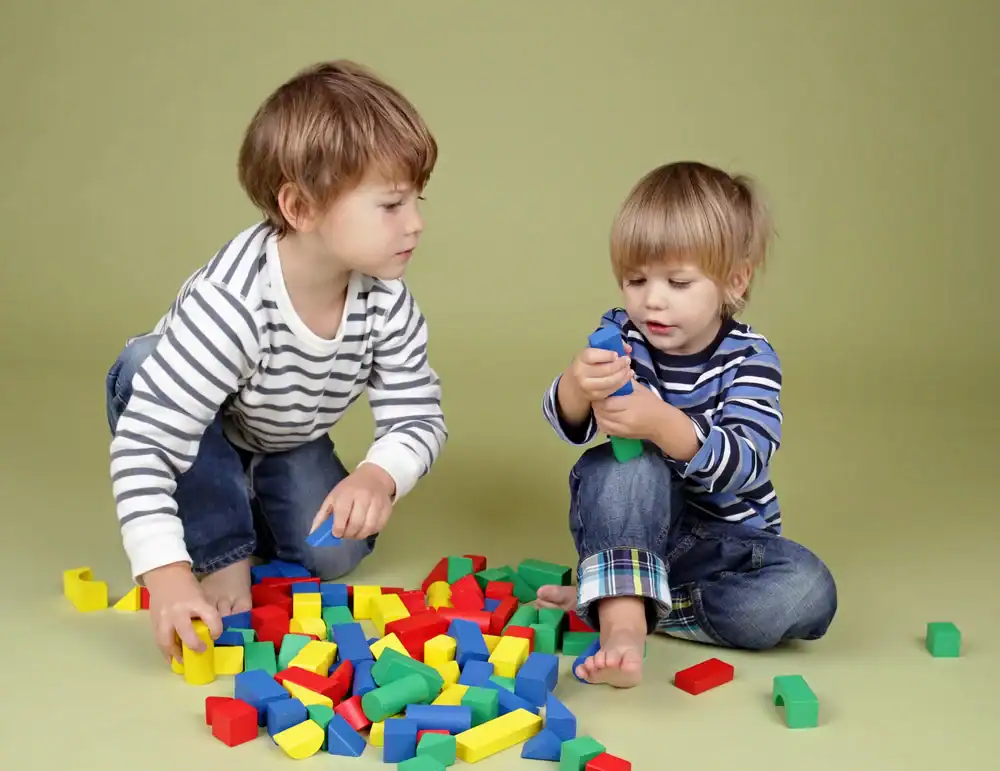
Another great option is Building Together. Using blocks or recyclable materials, kids collaborate to create something unique.
Here, every child’s input is valuable and encourages peer support. Interactive games can enhance critical thinking, expand emotional vocabulary, promote awareness exercises, foster peer support, and facilitate guided play.
Enhancing Communication Skills Through Play
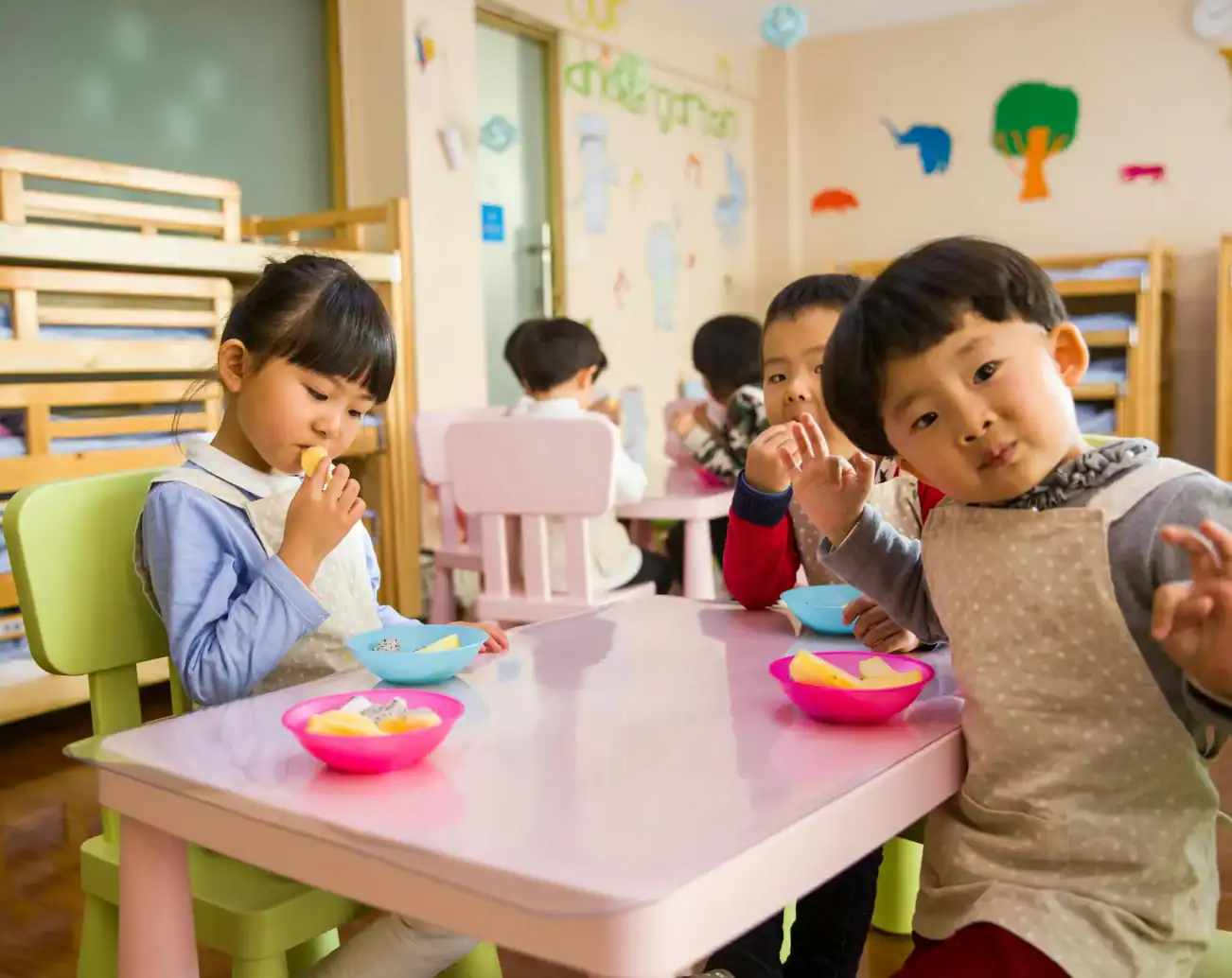
Engaging in activities not only sparks joy but also serves as an incredible avenue for them to hone their expressive arts. Through scenario learning, children articulate their thoughts and feelings, gaining clarity in their communication.
Enjoyable games that revolve around storytelling encourage vocabulary expansion and language mastery.
Role-playing opens the door for them to embody different perspectives, fostering emotional literacy and empathy.
As they interact in these supportive environments, they cultivate not just friendships but also a growth mindset, boosting their confidence along the way. It’s truly heartwarming to see their communication evolve as they bask in the joy of play! Transitioning from the excitement of expressive arts and scenario learning, they build emotional literacy in supportive environments, fostering a growth mindset that enhances their relationships.
Expressive Arts and Emotional Literacy
- Engaging in expressive arts enhances children’s ability to articulate their thoughts and feelings.
- Storytelling games promote vocabulary expansion and improve language skills.
- Role-playing activities develop emotional literacy and empathy by allowing children to see different perspectives.
- Supportive environments foster a growth mindset, which boosts children’s confidence and strengthens relationships.
Conclusion
Wrapping up our journey through the power of play, it’s clear this experience is more than just entertainment—it’s a pathway to emotional safety for our kids. By weaving engaging activities into their routines, we help them acquire self-regulation strategies that are crucial for their development.
Now, picture a setting where family involvement is a natural part of everyday life.
When loved ones get involved, fun challenges emerge, enhancing the learning experience.
This not only boosts kids’ confidence but also nurtures a strong sense of belonging within the family unit.
As we move forward, let’s keep play at the forefront as a significant tool for experiential learning, emphasizing self-regulation strategies, fostering family involvement, ensuring emotional safety, and creating fun challenges.
Originally posted 2025-05-28 07:47:57.


Comments are closed