
Boosting a child’s sense of worth can be as simple as unleashing their creativity. Engaging in imaginative play encourages kids to explore their ideas without limits, nurturing self-esteem along the way.
Whether it’s through games or artistic expression, these activities invite little ones to venture beyond their usual boundaries.
When children engage in teamwork during games, they not only learn to collaborate but also improve their communication skills, contributing to their social growth.
Hands-on projects like crafts ignite creativity while enhancing problem-solving skills. With such interactive experiences, children can discover their strengths and take pride in their achievements. Transitioning to the next level of artistic expression involves enhancing self-esteem through imaginative play, engaging in hands-on projects, and fostering skill development.
Here are some of our suggestions:
| Activity | Description | Key Benefits | Age Range | How to Do It Easily |
|---|---|---|---|---|
| Affirmation Mirror | Children say positive “I am” statements while looking in the mirror. | Builds self-esteem, positive self-talk | 3–10 | Write affirmations on sticky notes and place them on the mirror (“I am kind”, “I am brave”). |
| Confidence Collage | Kids cut out pictures/words from magazines that represent their strengths. | Self-awareness, pride in abilities | 5–10 | Provide magazines, scissors, glue, and let kids create a poster of “Things I’m good at.” |
| Storybook Hero | Child creates or reads a story where they are the hero solving a problem. | Imagination, problem-solving, resilience | 4–10 | Use a personalized storybook (like Mashigift!) where the child is the main character. |
| Talent Show at Home | A mini stage performance: singing, dancing, storytelling. | Courage, self-expression, public speaking | 3–10 | Create a “showtime” corner, let each child perform for family, cheer and clap loudly. |
| Compliment Circle | Children give and receive kind words in a circle. | Empathy, social confidence, kindness | 5–10 | Sit in a circle, each child shares one compliment for the next person. |
| Gratitude Jar | Kids write/draw things they are thankful for and put them in a jar. | Positive mindset, self-worth, resilience | 4–10 | Decorate a jar, add daily gratitude notes, review them weekly together. |
| Obstacle Course Challenge | Fun indoor/outdoor physical challenge with small wins. | Perseverance, motor skills, problem-solving | 3–8 | Use pillows, chairs, ropes to build safe mini-obstacles; celebrate completion. |
| Art of Me | Drawing/painting self-portraits emphasizing strengths. | Creativity, self-awareness, confidence | 4–10 | Provide art supplies, ask them to draw “Me when I feel proud” or “My best self.” |
| Kindness Mission | Children perform small acts of kindness as daily missions. | Social confidence, empathy, leadership | 5–10 | Write kindness tasks on slips (help sibling, share toy), celebrate each completed mission. |
| Success Journal | Kids keep a notebook of daily “little wins.” | Reflection, growth mindset, confidence | 6–10 | Help kids write/draw one success each day, no matter how small (e.g., “I tied my shoes”). |
Fostering Emotional Intelligence Through Storytelling

There’s something magical about how stories can touch our hearts and minds, especially for kids. When children dive into a narrative, they don’t just get lost in the plot; they also engage cognitively with their own emotions.
This experience goes beyond mere entertainment; it lays the groundwork for them to connect with their feelings and understand those of others.
As kids share their thoughts and reactions, they practice essential social skills through meaningful collaboration, learning to empathize with a variety of characters and viewpoints.
Stories create a safe haven for exploring complex emotions, reinforcing positive reinforcement as young ones witness the benefits of their emotional journeys
How Do Hands-On Projects Build Self-Esteem?

Completing hands-on activities can do wonders for their self-worth. When kids finish a task, no matter how small, it brings a wave of pride and accomplishment.
Think back to a moment when you felt the same thrill from something you created.
Those little successes can spark significant personal growth in children.
These projects also allow for creative freedom and self-expression.
Kids get to tackle problem-solving while exploring their imaginations. Can you recall which creative activity has brought your child the most joy? Working together on projects, whether with friends or family, not only helps build those vital relationships but also strengthens bonds.
The teamwork involved can truly enhance their sense of worth.
Through problemsolving, personal growth, constructive feedback, storytelling, and roleplaying, individuals can develop a deeper understanding of themselves and others.
Hands-On Activities for Children
- Completing tasks boosts children’s self-esteem and sense of accomplishment.
- Engaging in creative projects fosters problem-solving skills and imaginative exploration.
- Collaborative projects enhance relationships and strengthen family and peer bonds.
- Hands-on activities promote personal growth through constructive feedback and self-discovery.
The Role Of Imaginative Play In Personal Growth
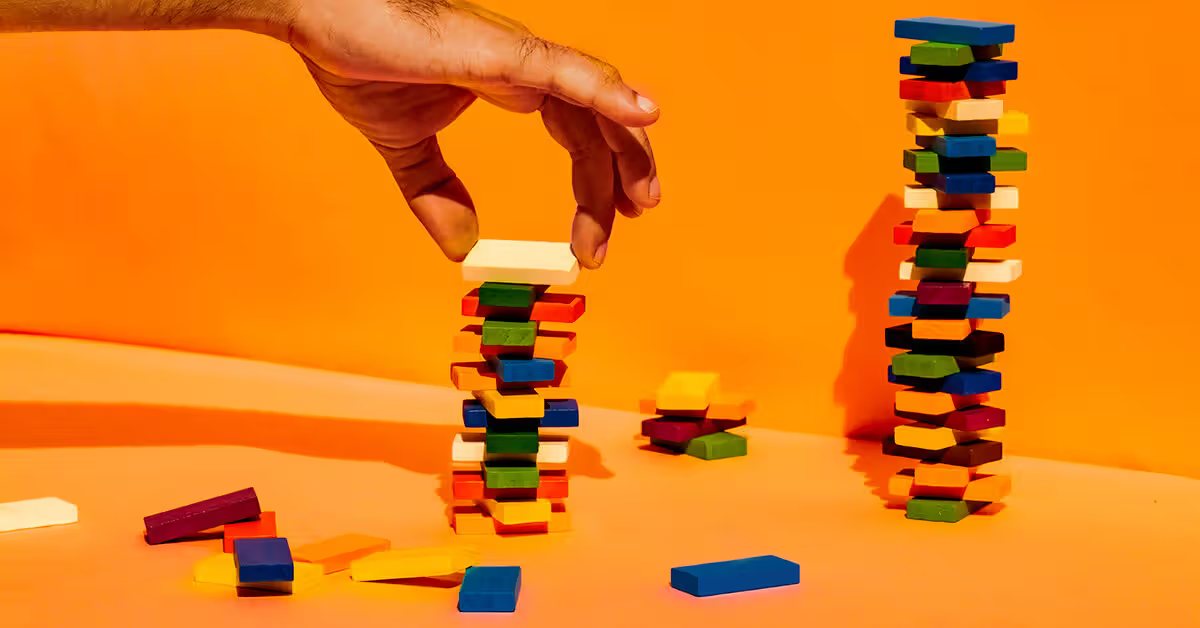
Every child has an innate ability to create and explore, and imaginative play serves as a wonderful avenue for this exploration. It’s a fantastic way for kids to unleash their creativity while expressing themselves in unique ways.
Unlike organized activities, this type of play opens up a world where they can weave together stories and characters that spark their imagination.
Through movement and role play, children engage with various scenarios and emotions, building confidence in the process.
Simple things like puppetry or crafting can turn an ordinary day into an adventure, encouraging kids to think outside the box while cultivating important skills.
Transitioning from play into hands-on projects, it becomes clear how these creative endeavors also contribute to self-esteem. When children participate in crafting activities, they engage in movement and visual arts, enhancing their creativity and emotional expression through techniques like dance therapy and puppetry.
Enhancing Social Skills With Collaborative Activities

Social interactions can really blossom when children engage in group activities together. Have you ever seen how teamwork boosts a child’s confidence? When kids dive into tasks like painting murals or clay modeling, they pick up effective communication skills along the way.
Sharing ideas and truly listening to one another becomes second nature.
Outdoor adventures, like hiking or playing in parks, create fantastic opportunities for kids to bond and build trust.
Through collaboration, they discover the importance of respect and empathy, laying down a solid foundation that can really enhance their confidence in various social situations.
Creative projects, such as building structures or engaging in public speaking, encourage teamwork and cooperation. Team-based sports not only teach kids how to strategize during games but also foster lasting friendships. These activities provide a wonderful balance of creativity and communication skills.
| Activity Type | Benefits |
|---|---|
| Group Activities | Boosts confidence and communication skills |
| Outdoor Adventures | Fosters bonding and trust among children |
| Creative Projects | Encourages teamwork and cooperation |
| Team Sports | Teaches strategy and builds lasting friendships |
Exploring Creativity Exercises For Resilience

Have you ever noticed how creativity can turn a tough day into something brighter? It acts as a bridge to help children express themselves and build emotional strength. When kids dive into hands-on projects, they not only discover new passions but also develop vital skills like problem-solving.
Innovation shines through these activities, allowing them to tackle life’s bumps with confidence.
Consider interactive games that promote teamwork and offer an avenue for self-discovery.
These engaging activities spark imagination while helping kids learn to collaborate effectively with others.
It’s an excellent way to boost self-esteem and make connections with their peers.
Encouraging kids to convey their thoughts and feelings through various mediums becomes a natural part of their emotional growth. Simple exercises, like storytelling or drawing, can easily be integrated into workshops as interactive games for innovation and self-discovery, inspired by role models.
Benefits Of Public Speaking For Confidence

Stepping onto a stage, whether it’s in a packed auditorium or a small meeting room, can spark a mix of excitement and nerves. Yet, this experience opens doors to remarkable personal growth.
Developing your self-esteem becomes easier as you push past your comfort zone.
Each time you present, you’re not just delivering a message; you’re also nurturing your self-worth.
Think about a time when speaking to an audience left you feeling empowered. Did it ignite a sense of accomplishment within you?
Another wonderful aspect is enhancing your communication abilities.
When you refine your public speaking skills, you elevate how you convey your thoughts and feelings. This newfound clarity can truly enrich your daily connections.
Imagine how improving these skills may foster better relationships and deeper conversations. Engaging in these moments transforms simple speaking opportunities into exciting exploration of your capabilities, much like the mentorship and creativity exercises that encourage mindfulness and the expressive arts.
Public Speaking
- Public speaking can significantly boost self-esteem and confidence levels.
- Effective communication skills lead to improved personal and professional relationships.
- Engaging in public speaking enhances clarity of thought and expression.
- Participating in speaking opportunities promotes personal growth and self-discovery.
Engaging In Dance Therapy For Emotional Expression

Have you ever thought about how moving your body can give voice to emotions that are often hard to articulate? Through movement, people can uncover a deeper understanding of their feelings, creating a special bond between their physical selves and their inner worlds. This unique approach encourages not just physical resilience but also fosters the release of emotions that might be stuck inside.
Whether you’re letting loose to shake off daily stress or experiencing the joy of rhythm, it’s a freeing journey.
Crafting personal routines allows you to express your feelings in a way that feels natural, turning emotions into art therapy that resonates on many levels.
And incorporating dance into daily life can make self-expression an enjoyable part of your routine. As we explore this method, we can also see how it ties into the benefits of public speaking for confidence and encourages resilience through art therapy, drama classes, talent shows, and goal setting.
Encouraging Journaling For Self-Discovery

Have you ever felt like there’s a whole world inside you just waiting to be explored? Journaling opens those doors, allowing you to delve into your thoughts and feelings in a truly meaningful way. This practice can enhance your self-advocacy, giving you tools to better understand your reactions to daily experiences.
Through regular writing, you’re not merely documenting events; you’re embarking on a personal journey filled with character building and discovery.
Each page offers an opportunity to clarify your aspirations and values while also sparking creativity as you give voice to your unique story.
So, grab a journal and let your thoughts flow freely. You might just stumble upon insights about yourself that you never realized were there through the lens of leadership, self-advocacy, nature exploration, cultural activities, and character building.
Journaling
- Journaling can improve mental health by reducing stress and anxiety.
- Regular writing enhances self-reflection, leading to greater self-awareness.
- Studies show that expressive writing can boost creativity and problem-solving skills.
- Journaling helps clarify personal goals and values, promoting better decision-making.
Conclusion
Confidence grows through experiences that encourage exploration and connection. Engaging children in creative activities not only sparks emotional expression but also builds their self-esteem.
Simple things like arts and crafts, or even sharing stories, can lead to moments of joy and connection.
These activities aren’t just fun; they offer fantastic opportunities for cooperative play and skillsharing, allowing children to bond with their peers.
As parents and educators, we can support their journey by encouraging them to showcase their talents through exhibitions or local events, reinforcing their sense of worth along the way. So, what will you do next to nurture your child’s creative expression? The possibilities are truly exciting, from fostering communication and cooperative play to organizing exhibitions and skillsharing that encourage emotional expression.
Originally posted 2025-07-16 07:48:27.


Comments are closed