
It’s important for little ones to learn how to handle their feelings as they grow. A great way to support them involves techniques that help with emotional regulation.
Creating a safe environment allows children to share their thoughts freely, making it easier for them to express what they’re going through.
Incorporating mindfulness activities, like simple breathing exercises, can have a big impact.
These activities encourage kids to pause and reflect on their emotions.
As they practice these relaxation techniques, they gain a better understanding of their feelings and enhance their coping skills. Watching them develop emotional resilience through breathing exercises, mindfulness activities, relaxation techniques, emotional regulation, and sensory toys is truly heartwarming.
Here are some ideas that you may try today:
| Strategy | Description | Key Benefits | Age Range | How to Do It Easily |
|---|---|---|---|---|
| Calm Down Corner | A cozy safe space with soft toys, pillows, and calming tools. | Self-regulation, emotional safety | 3–8 | Create a corner with a blanket, stuffed animal, stress ball; child goes there when upset. |
| Breathing Buddies | Kids place a toy on their tummy and watch it rise/fall with breaths. | Focus, slow breathing, body awareness | 3–7 | Lie down, put a teddy on tummy, breathe in/out while “rocking the buddy to sleep.” |
| Counting to 10 | Slowly counting aloud or with fingers. | Delays impulsive reactions, grounding | 3–8 | Guide child to count slowly with fingers or claps before reacting. |
| Squeeze & Release | Tense muscles tightly, then slowly relax. | Relieves stress, teaches body control | 4–8 | Pretend to be a “robot” (stiff) then a “rag doll” (loose). |
| Coloring/Drawing Feelings | Expressing emotions through art. | Emotional expression, creativity | 3–10 | Provide crayons/markers, let kids “draw their feelings” instead of acting out. |
| Blowing Bubbles | Blowing slowly to make bubbles without popping them. | Slows breathing, reduces anxiety, fun | 3–7 | Give bubble solution or pretend; encourage long, steady exhales. |
| Hug a Stuffed Animal | Holding and squeezing a favorite toy for comfort. | Comfort, emotional regulation | 2–7 | Encourage child to hug their “calm buddy” when upset. |
| Movement Break | Short physical activity like jumping jacks, shaking arms, or stretching. | Releases tension, resets energy | 3–8 | Do 10 jumping jacks or “shake out the mad” with arms/legs. |
| Mindful Listening | Listening quietly to a calming sound (bell, rain, soft music). | Mindfulness, focus, relaxation | 3–10 | Ring a bell or play soft sounds; ask kids to listen until the sound fades. |
| Positive Affirmations | Repeating calming phrases out loud. | Builds self-confidence, emotional control | 4–10 | Teach simple mantras: “I am safe,” “I can calm down,” “I am kind.” |
Breathing Exercises For Calming Down

Taking a moment for yourself can truly shift your mood when life feels a bit heavy. Have you ever noticed how deep breathing can lead you to your chill out corner? It’s not just some fluffy idea; there’s some real science to back it up.
Focusing on your breath sends a signal to your body to relax.
This simple act has the power to lower your stress relief and help you find balance again.
Guess what? Kids can tap into this too! Incorporating breathing exercises like “Balloon Breathing” or “5-4-3-2-1 Breathing” into their routine can be a game changer. Just a few minutes each day can turn those stressful moments into opportunities for calm, making it a wonderful addition to any mindfulness approach.
In this chillout corner, kids can find stress relief through guided imagery, deep breathing exercises, and fun yoga activities tailored just for them.
How Can Mindfulness Activities Help?
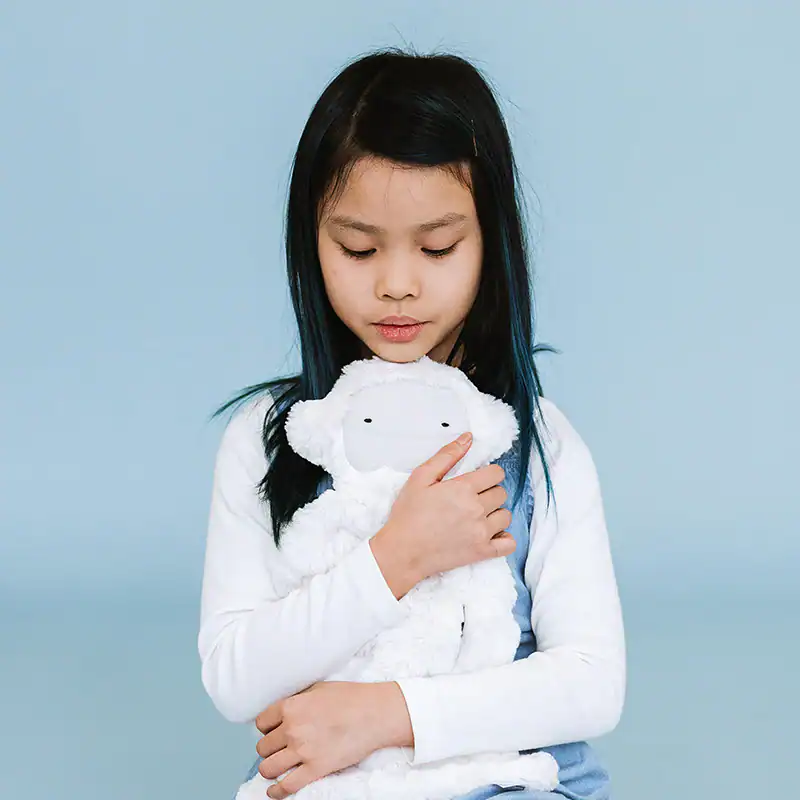
Imagine transforming a hectic day into a serene one for children. Incorporating mindfulness practices can truly work wonders.
When simple visualizations are introduced, kids learn to focus their thoughts and feelings, which is a fantastic way to develop coping skills.
Engaging in these activities not only helps them manage stress but also boosts their emotional intelligence.
As they begin to recognize their emotions, they find better self-soothing methods. This playful approach allows them to express themselves more freely and handle life’s little hurdles with greater ease.
Isn’t it heartening to see them blossom in resilience?
Building on the importance of mindfulness, let’s explore breathing exercises for calming down. These techniques serve as a foundation, creating a space where kids can ground themselves and find visualizations, coping skills, emotional intelligence, play therapy, and self-soothing methods to navigate their emotions effectively.
- Mindfulness practices can significantly reduce anxiety and stress in children.
- Visualizations help improve focus and emotional regulation among young learners.
- Developing coping skills through mindfulness enhances children’s resilience and emotional intelligence.
- Breathing exercises are effective techniques for grounding and calming children in stressful situations.
Effective Relaxation Techniques For Kids
Finding a peaceful moment can be a little tough for kids sometimes. Teaching them relaxation techniques serves as fantastic tools to help find their calm space.
Learning these skills early allows them to create a healthier emotional landscape as they grow.
One playful method is through fun breathing exercises.
With bubble breathing, they can blow out imaginary bubbles, making quiet time engaging and enjoyable.
Creative visualization is another method that works wonders. Encourage them to close their eyes and picture a serene beach, feeling the sun’s warmth on their skin.
This imaginative exercise transports them to a tranquil place in their minds, fostering relaxation.

Incorporating gentle reminders for mindful movement adds another layer of tranquility, inviting calm space through nature walks, quiet time, and positive affirmations.
Understanding Emotional Regulation In Children
Helping kids grasp their feelings can be a game changer for their growth and how they relate to others. Emotional awareness is a big part of this journey.
When children can express their emotions, they often find it easier to connect with their peers and understand their own reactions.
Parents and caregivers play a major role here by modeling how to respond to feelings healthily.
By demonstrating calmness, you can show your child the art therapy of managing their emotions effectively.
Creating a space at home where they feel comfortable sharing is also key. A supportive environment invites them to express themselves without fear.
To make this learning fun, consider engaging kids in activities that help them pinpoint their emotions. This creative approach not only engages their senses but also promotes emotional expression and well-being through art therapy, physical activity, and meditation for children.
Using Sensory Toys For Stress Relief
Many parents and educators are always on the lookout for effective ways to support kids as they manage their emotions. Sensory toys can really help here.
These tools are specifically designed to offer safe spaces for children to calm down and refocus.
Engaging various senses through tactile, visual, or auditory experiences, these toys can turn stressful moments into manageable ones.
Think of squishy stress balls or fidget spinners—they provide a hands-on approach for kids to explore their feelings and alleviate anxiety.

When kids use these toys, they often find a helpful distraction, allowing them to focus on the present instead of what’s troubling them. This can be especially useful during storytime or before events that might trigger stress. Incorporating sensory toys into daily routines can create safe spaces for children, promote peer support, enhance problem-solving skills, and make storytime more engaging.
Creating A Chillout Corner At Home
Creating a special area for your kids to unwind is a fantastic way to support their emotional growth. A comforting nook can be just what they need to feel secure and relaxed.
Look for a cozy space in their room where they can escape from distractions—bonus points if it gets some natural light!

When you’re setting up their spot, consider adding comfort objects such as plush bean bags or soft cushions.
A calming jar filled with glitter can provide a mesmerizing focus that helps them center their thoughts.
Soft lighting and a few plants can also enhance the ambiance, making the space feel inviting and peaceful.
To foster relaxation, think about including grounding activities like books, puzzles, or art supplies. You could create comfort objects, hugs, a calming jar, grounding activities, and timeout strategies to help manage stress and promote relaxation.
| Element | Description |
|---|---|
| Comfort Objects | Plush bean bags and soft cushions to create a cozy environment. |
| Calming Jar | A jar filled with glitter that helps children center their thoughts. |
| Grounding Activities | Books, puzzles, and art supplies to promote relaxation. |
| Ambiance Enhancements | Soft lighting and plants to make the space inviting and peaceful. |
Fun Yoga For Kids To Relax
Kids have a unique way of finding joy in the simplest things, and yoga can be one of those delightful outlets. It creates a supportive environment where they can learn to unwind and explore their bodies and minds.
With fun poses like Tree Pose and Child’s Pose, children can enjoy playful breathing while finding balance and relaxation.
These simple movements help them feel grounded and connected.

Incorporating games like Yoga Freeze Dance adds an extra layer of fun.
They can move and groove, then pause for poses, all while laughing and having a blast. Pairing yoga with kindness activities, such as sharing compliments or practicing gratitude, teaches them to be compassionate towards themselves and others. Practicing together not only strengthens bonds but also creates lasting memories and fosters a supportive environment through playful breathing, kindness activities, nature therapy, and expressive arts.
Benefits Of Nature Walks For Emotional Safety
There’s something magical about stepping outside and immersing ourselves in the beauty of the natural world. Spending time outdoors can truly help kids feel grounded and secure.
The sights and sounds of nature create a soothing environment perfect for emotional support.

When children connect with nature, it offers a space for reflection, allowing them to process their feelings effectively.
Engaging in interactive play within this setting enhances their sense of safety and well-being.
Plus, let’s not forget the perk of physical activity during these outdoor adventures. Moving in the fresh air often leads to improved mood and emotional health for children.
That joyful movement helps them better understand their emotions, making them feel more supported. Embracing nature not only promotes relaxation music but also strengthens their emotional resilience. As these elements intertwine, they create a holistic experience that fosters well-being and emotional connection.
| Benefit of Nature | Supporting Evidence |
|---|---|
| Emotional Support | Nature creates a soothing environment for children to process their feelings. |
| Improved Mood | Physical activity outdoors leads to better emotional health in children. |
| Enhanced Safety | Interactive play in nature fosters a sense of safety and well-being. |
| Emotional Resilience | Engaging with nature strengthens children’s emotional resilience. |
Conclusion
Reflecting on our exploration of how nature nurtures emotional well-being, it’s exciting to think about incorporating those lessons into our daily routines. Engaging distractions like art and music can turn yoga poses and calming breaths into delightful experiences, making it easier for kids to manage their feelings.
These practices not only promote emotional regulation but also encourage harmonious interactions with family and friends.
As parents, we can try out different activities together, like playful focus exercises, to help our children articulate their emotions.
The goal is to cultivate a nurturing environment where emotional health can flourish—taking one small step at a time!
This journey is a gradual process. Every little effort truly makes a difference in achieving balance through yoga poses, calming breaths, focus exercises, harmonious interactions, and engaging distractions.
Originally posted 2025-03-28 07:48:03.


Comments are closed