
Helping your little ones express their feelings can be quite the adventure, and engaging them in activities focused on social skills is a wonderful way to enhance their emotional intelligence. When you introduce fun experiences that nurture their feelings, you’re laying the groundwork for their future interactions with others.
These playful moments are key to developing strong social connections.
Interactive role-playing games really shine here.
Kids absolutely adore pretending, and this form of developmental play encourages them to practice empathy exercises while exploring various scenarios. After a fun role-play session, storytime discussions about emotions can further allow children to connect with social skills and emotional intelligence, enhancing their preschool education through developmental play and empathy exercises.
Understanding Emotional Intelligence In Preschool

Have you ever thought about how little ones figure out their feelings? It’s a fascinating journey where kids start to recognize what they feel and see those emotions in others. In preschool, this awareness helps build the foundation for meaningful relationships.
Why does this matter? Well, children who develop strong emotional skills often socialize better and tend to shine academically.
Activities like interactive storytelling or roleplaying create wonderful opportunities for kids to express their feelings.
Engaging in cooperative games fosters teamwork while teaching them about conflict resolution. These early experiences are instrumental in shaping their emotional regulation, setting them up for success in the years ahead
How Do Social Skills Develop?

From an early age, children are like little sponges, soaking up everything around them. They learn how to interact with others by closely watching adults communicate, picking up on body language and tone.
Those moments when they share toys or express their feelings? They’re not just small incidents; they play a huge role in their development.
While engaging in play, kids dive into peer interactions, experimenting with what they’ve seen.
For instance, pretend play sparks creative expression and encourages teamwork. When caregivers offer positive reinforcement, it boosts kids’ confidence, making them more eager to connect with others.
Each of these experiences lays a strong foundation for effective communication. As they grow, they’ll be ready to face more intricate social dynamics. Transitioning from understanding emotional intelligence, the next step involves integrating mindfulness practices, enhancing communication, fostering peer interactions, encouraging creative expression, and applying positive reinforcement.
- Children learn social skills by observing and imitating adults, which is crucial for their development.
- Engaging in pretend play enhances creativity and teamwork among peers.
- Positive reinforcement from caregivers significantly boosts children’s confidence and willingness to interact.
- Foundational experiences in early childhood prepare children for more complex social interactions as they grow.
Engaging In Mindfulness Practices For Kids
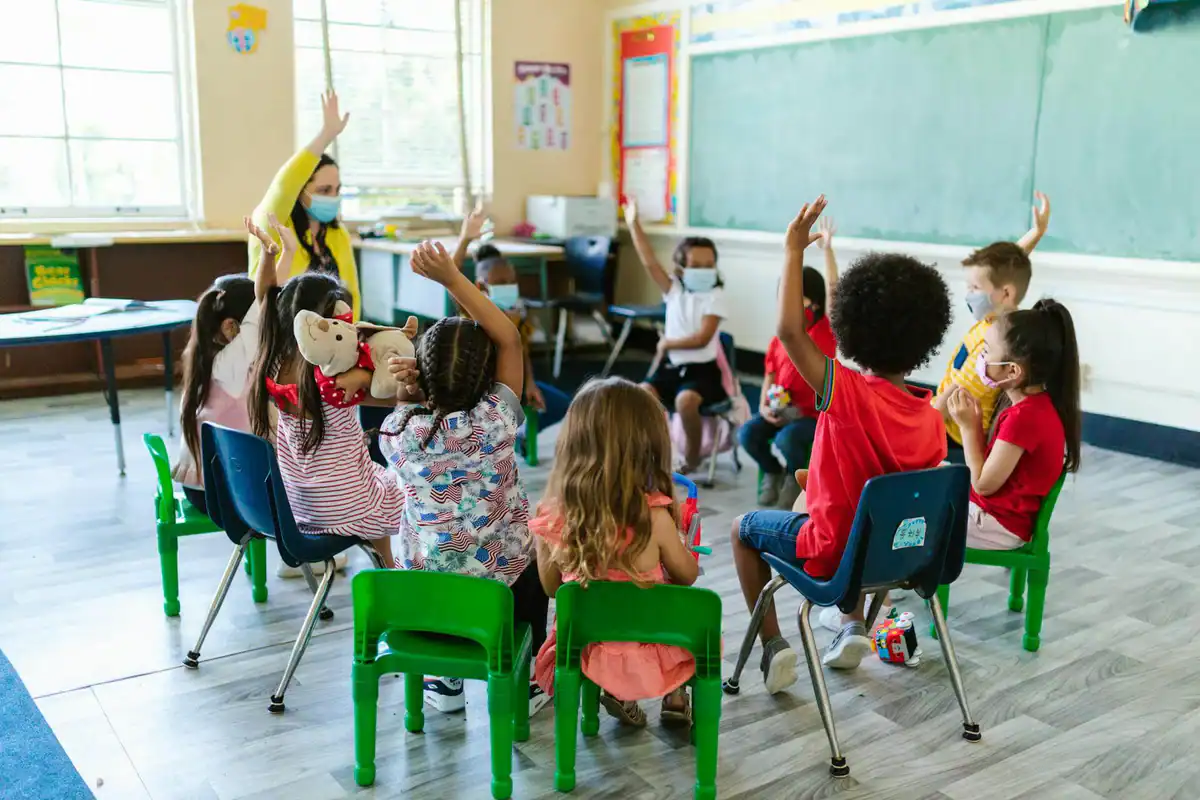
Kids often feel a swirl of emotions, and it can be quite a ride for them. Mindfulness techniques can serve as a gentle anchor, helping to cultivate calm in their daily lives.
It’s all about helping them tune into the present moment, guiding them to notice their feelings exploration and experiences.
A simple way to explain this is by encouraging them to pay attention to their breath or the sounds around them, making it relatable and engaging.
Activities like breathing exercises and nature walks are wonderful ways to nurturing relationships with the world around them.
Starting the day with an intentional morning routine can set a positive tone, while moments of reflection before sleep invite feelings exploration, allowing kids to unwind and drift into a peaceful slumber.
By fostering self-awareness and understanding group dynamics, individuals can enhance their ability to nurture relationships, explore their feelings, and engage in meaningful sensory experiences.
Exploring Feelings Through Creative Expression

Every child has a unique way of connecting with their emotions, and creative outlets make it easier for them to share their experiences. Engaging in art therapy or other innovative activities allows kids to turn their feelings into something they can see and touch.
This hands-on approach not only enhances their emotional literacy but also helps them make sense of what they’re experiencing.
Collaborative projects can further enrich this journey, encouraging children to express themselves alongside their peers in an insightful and enjoyable atmosphere.
By channeling their emotions creatively, they hone problem-solving activities that promote personal growth.
Transitioning from exploring emotions, let’s consider how engaging in mindfulness practices can complement these creative expressions. Incorporating mindfulness can enhance a child’s ability to stay present through problemsolving activities, social narratives, emotional literacy, collaborative projects, and art therapy.
Creative Emotional Expression in Children
- Art therapy has been shown to improve emotional literacy by providing a tangible way for children to express their feelings.
- Engaging in collaborative projects fosters social skills and enhances peer relationships through shared creative experiences.
- Mindfulness practices can improve a child’s focus and presence during problem-solving activities, enhancing overall emotional regulation.
- Creative outlets help children process their emotions, leading to personal growth and improved mental well-being.
Fun Cooperative Games For Peer Interactions

There’s something truly special about kids coming together through play. Engaging in activities fosters strong connections and lets them build essential teambuilding skills while having a blast.
When children collaborate, they discover the magic of effective communication and learn how to support each other, creating a foundation for kindness initiatives that can last a lifetime.
Take The Human Knot, for instance.
This engaging challenge encourages kids to work together, using their problem-solving skills in a fun environment.
Then there’s Trust Walk, where partners guide each other through obstacles while blindfolded. It’s all about enhancing communication and building trust, helping children feel safe in expressing themselves.
Adapting these activities for various settings makes them even more effective for fostering teambuilding, enhancing kindness initiatives, and providing a safe space for creativity through puppet shows and guided imagery.
Roleplaying Scenarios For Conflict Resolution
Imagine giving kids the chance to step into someone else’s shoes and explore different ways to solve problems. This hands-on approach can make a real difference in how children learn to manage disagreements.
By creating a safe space for experimenting with solutions, children can develop empathy—an important skill for any situation where feelings run high.
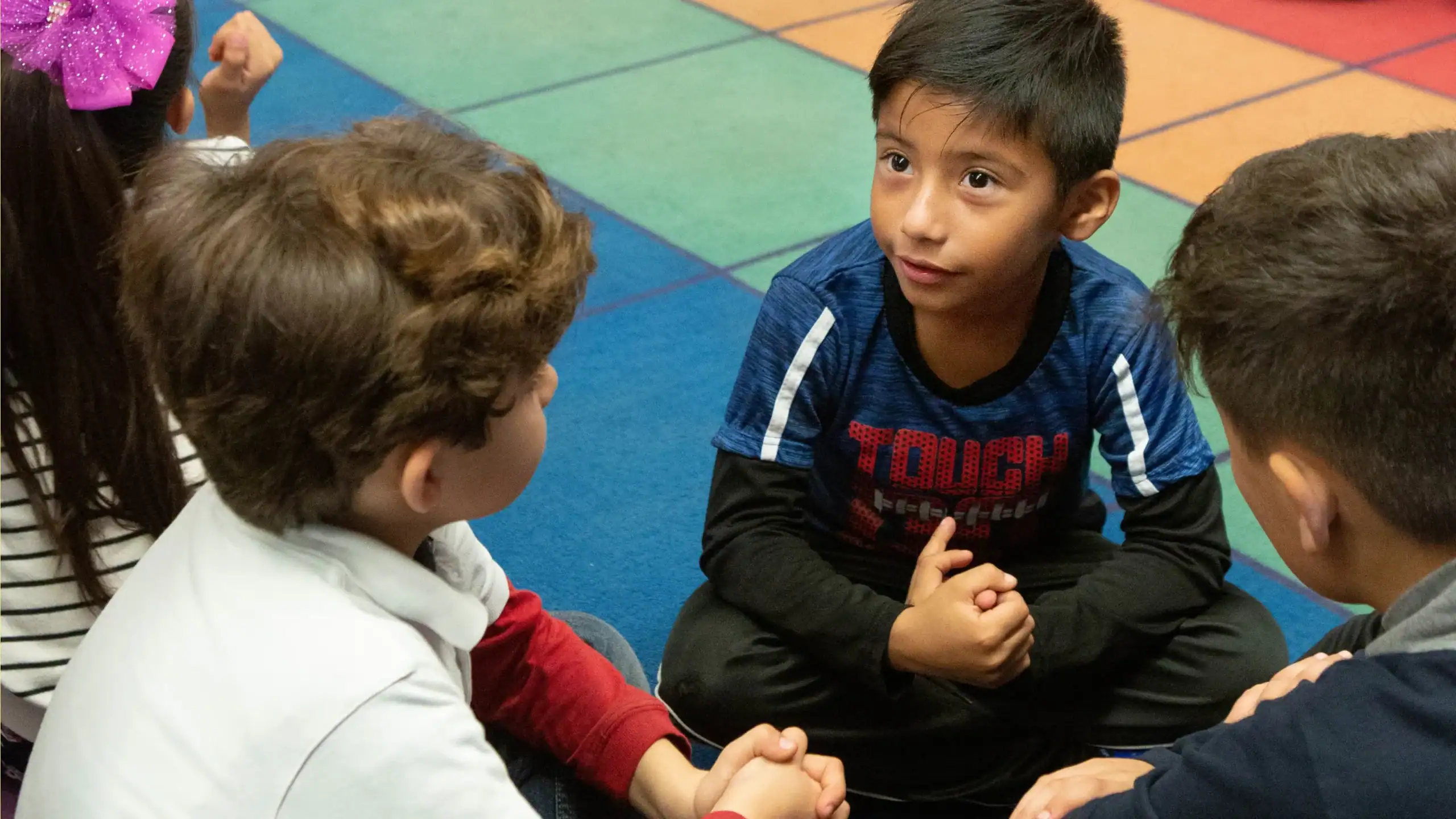
Here are a couple of creative scenarios you can try.
For preschoolers, consider the classic scenario of two friends wanting the same toy.
Or you might explore the challenge of sharing snacks during playtime. These relatable situations foster trustbuilding and cooperation through playbased learning, engaging children in meaningful interactions.
As you guide little ones through these scenarios, encourage them to reflect on their feelings. After each roleplay, discuss what they learned about reflective practices, cultural awareness, trustbuilding, play-based learning, and behavior management.
Empathy and Problem-Solving in Children
- Empathy development can lead to improved social interactions and reduced conflict among peers.
- Hands-on learning experiences enhance children’s ability to understand diverse perspectives.
- Role-playing scenarios encourage children to practice conflict resolution skills in a safe environment.
- Play-based learning has been shown to improve cooperation and trust-building among young children.
Nurturing Relationships With Emotional Literacy
Creating meaningful connections with others begins with a genuine grasp of our feelings and the emotions of those around us. This ability to articulate emotions plays a significant role in friendship development and strengthens family ties.
When we practice emotional expression, we pave the way for supportive environments where everyone feels appreciated and understood.
As we become more attuned to the feelings of others, we not only boost our self-esteem but also encourage character growth.
Engaging activities like role-playing and open discussions are great ways to enhance these skills, making it easier to relate to one another. These practices allow us to resolve conflicts more effectively, a key element discussed in the previous section, and they can seamlessly lead us into exploring how interactive storytelling can enhance our supportive environments, friendship development, self-esteem enhancement, emotional expression, and character growth.
Enhancing Self-awareness With Interactive Storytelling

Engaging children through storytelling sessions offers a unique opportunity for experiential learning. These stories beckon them to connect with their emotions and ponder their decisions.
By immersing themselves in different scenarios, kids can reflect on experiences that echo their own lives.
This hands-on approach nurtures empathy and understanding as they relate their feelings to the characters they encounter.
When family involvement comes into play, these stories transform into a powerful shared journey, creating a meaningful space for growth and exploration. So, let’s take a moment to explore the enchanting realm of interactive storytelling, where experiential learning, social-emotional workshops, nature play, storytelling sessions, and family involvement come together to create lasting memories.
Interactive Storytelling
- Experiential learning through storytelling enhances children’s emotional intelligence.
- Children who participate in storytelling sessions show increased empathy and understanding.
- Family involvement in storytelling fosters stronger bonds and shared experiences.
- Interactive storytelling encourages reflection on personal experiences, aiding in emotional development.
Conclusion
Reflecting on our shared adventure in fostering emotional intelligence in kids offers a glimpse into a brighter future for them. This journey is all about crafting a warm, supportive community discussions where children can truly flourish.
Engaging in group dialogues not only allows kids to articulate their feelings, but it also cultivates a sense of belonging.
Emotional awareness acts like a superpower for our little ones, equipping them with tools to face life’s ups and downs.
Fun activities such as art projects and calming techniques can be effortlessly integrated into their everyday routines, transforming learning into a delightful experience. Each small step is significant as we guide them towards greater self-discovery and mutual understanding
Originally posted 2025-08-28 07:47:36.


Comments are closed