
Creating a nurturing environment for young learners can truly change the dynamics of a classroom. When we embrace social emotional learning routines, we open the door for students to dive into mindfulness activities that boost empathy and understanding.
Simple peer-sharing exercises encourage kids to express their feelings while building a supportive classroom community.
Trust deepens through team-building games that spark collaboration and connection.
Gratitude circles allow everyone to appreciate one another, fostering positive interactions among peers. Mindfulness moments not only help calm anxious minds but also sharpen focus, paving the way for emotional intelligence growth.
As these practices become part of the daily routine, the classroom transforms into a vibrant community where social-emotional learning, mindfulness activities, character education, and emotional intelligence flourish.
Here are some practices that you may take into consideration:
| Routine | When to Do It | Description | Key SEL Skill | How to Implement Easily |
|---|---|---|---|---|
| Morning Feelings Check-In | Start of the school/home day | Students share how they feel (verbally, with emojis, or on a chart). | Self-awareness | Use a “feelings chart” with faces; kids point to their mood. |
| Gratitude Moment | Morning or after lunch | Name one thing they are thankful for that day. | Gratitude, positivity | Teacher/parent asks: “What’s one thing you’re glad about today?” |
| Breathing Break | Mid-morning or after recess | A short breathing exercise to reset focus and calm nerves. | Self-regulation, mindfulness | Practice balloon belly or starfish breathing for 1–2 minutes. |
| Compliment Time | Before group work | Students give a kind word to a peer. | Kindness, empathy | Rotate daily: each child gives one compliment to another student. |
| Mindful Movement | After recess or lunch | Short stretch, yoga pose, or calm movement activity. | Self-management, body awareness | Lead kids in “rainbow stretch” or “tree pose.” |
| Kindness Mission | Afternoon | Kids set a small kindness goal for the day. | Social awareness, prosocial behavior | Example: “I will help a classmate,” “I will share my pencil.” |
| Conflict Reflection | As needed (after arguments) | Guide students to reflect: what happened, how they felt, what to do next time. | Conflict resolution, responsible decision-making | Use “Stop–Think–Act” cards or a short talk circle. |
| Affirmation Practice | End of school day | Students say a positive phrase about themselves aloud. | Confidence, resilience | Teach affirmations: “I am capable,” “I am kind,” “I can learn from mistakes.” |
| Success Sharing | End of school/homework time | Students share one thing they accomplished that day. | Growth mindset, pride in effort | Quick round: each child shares “My win today was…” |
| Calm Down Closure | Before bedtime (home) or dismissal (school) | Quiet reflection, journaling, or drawing to close the day peacefully. | Reflection, self-regulation | Provide journals/drawing sheets; prompt: “How did you feel today?” |
Understanding Emotional Intelligence In Students

Having a grasp on emotions can really transform how students experience their daily lives. It influences their interactions with classmates and how they face obstacles.
When learners hone their empathy building skills, they open themselves to new ways of seeing the world.
This broader perspective leads to stronger relationships and smoother group dynamics in the classroom.
Students who exhibit strong emotional awareness tend to flourish academically, as they master self-regulation and remain focused on their studies. Simple strategies like positive affirmations can enhance their capacity to handle stress and work together effectively.
By cultivating these attributes, we set them up for a brighter future.
As we move forward from daily SEL routines designed to foster connection, let’s explore how engaging in mindfulness activities daily can further support their emotional development. Mindfulness practices can enhance mental well-being through positive affirmations, conflict resolution, empathy building, self-regulation, and collaborative games.
Engaging In Mindfulness Activities Daily

Integrating thoughtful practices into daily life can truly enhance the classroom experience, allowing students to grow and thrive. Start with Simple Practices like a daily moment of silence.
This can be just a few minutes where everyone sits quietly and focuses on their breath, fostering resilience among the students.
Encouraging mindful breathing exercises that are quick and easy to do can significantly support behavior management in the classroom.
Make it Fun and Interactive by incorporating games that promote awareness. Mindful listening activities can engage students and enhance their peer relationships, creating a supportive environment.
Storytelling works wonders, too—it illustrates mindfulness concepts in a relatable way and adds a fun twist to the learning process. Emphasizing gratitude through journaling prompts, gratitude exercises, behavior management, resilience, and peer relationships can foster a more positive mindset and strengthen connections with others.
Mindfulness in the Classroom
- Research shows that mindfulness practices can improve students’ focus and attention spans.
- Mindful breathing exercises have been linked to reduced anxiety and improved emotional regulation in students.
- Engaging in mindful listening activities can enhance communication skills and foster better peer relationships.
- Journaling about gratitude has been shown to increase overall happiness and promote a positive classroom environment.
Building A Positive Classroom Community
Fostering an environment where every student feels appreciated can truly transform the classroom vibe. A place filled with warmth and understanding nurtures emotional literacy and allows students to flourish.
Prioritizing kindness and mutual respect sets the stage for a lively, engaged learning experience.
Establishing a secure atmosphere encourages students to speak their minds and work together harmoniously.
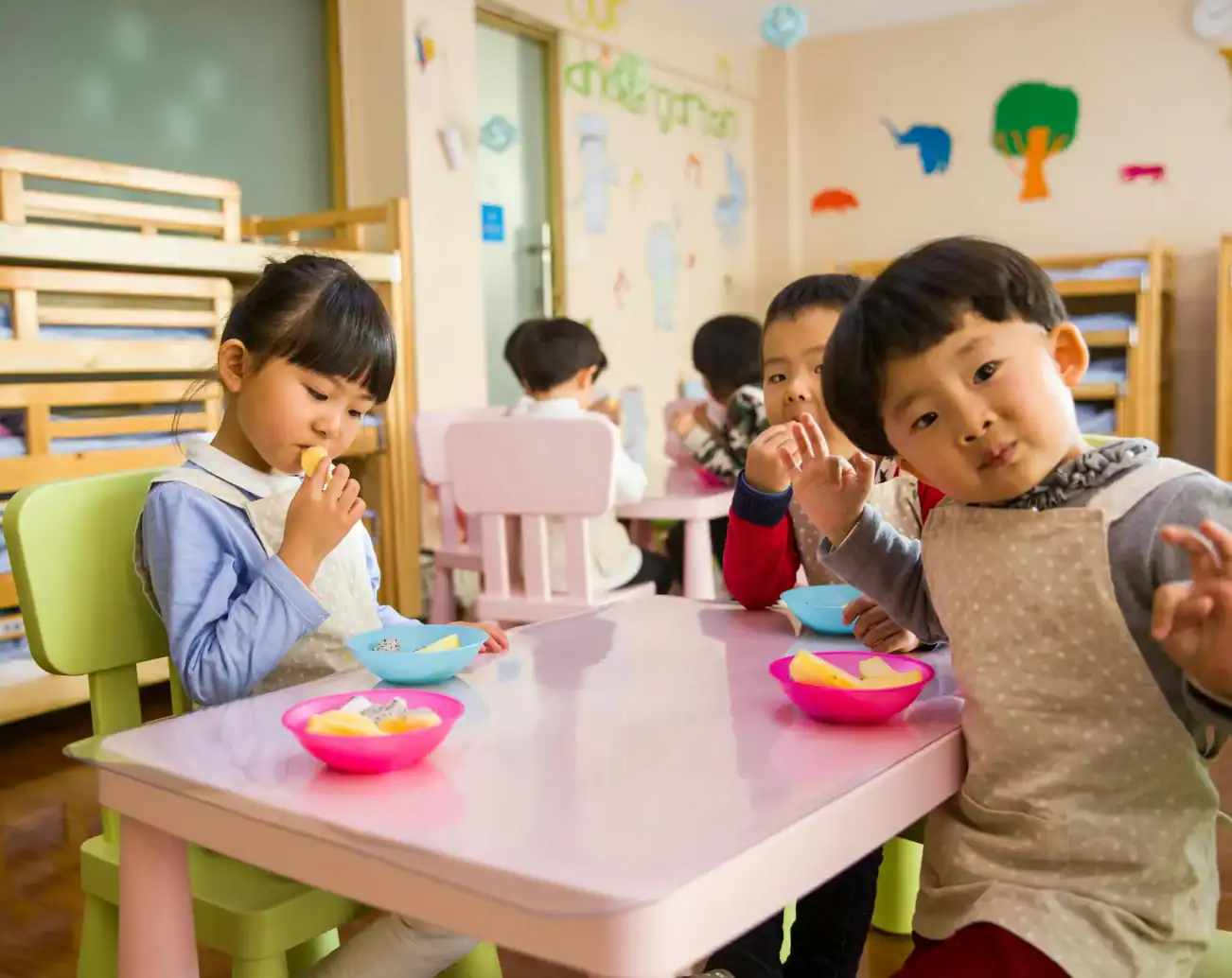
Small, daily habits like warm greetings and sharing circles create meaningful connections.
These little rituals enhance relationships and promote a sense of belonging among students. Integrating teamwork activities not only infuses fun into lessons but also teaches important coping skills that will serve them well beyond school.
Involving students in collaborative projects deepens their connection to the classroom community and enhances their emotional literacy, provides stress relief, fosters teamwork activities, promotes interactive lessons, and equips them with vital coping skills.
Incorporating Journaling Prompts For Reflection

Finding ways to help students connect with their emotions can be both fun and rewarding. Encouraging a reflective practice creates an opportunity for them to articulate feelings in a safe space.
When students put pen to paper, it allows them to express their thoughts and emotions freely, making everything feel more manageable.
You might consider prompts that inspire kindness projects or emotional check-ins, as these can unravel deeper insights.
Simple questions can foster a sense of community and enhance communication skills among classmates. By regularly engaging in this process, students not only learn about themselves but also develop empathy towards others. It’s truly a powerful tool for building a supportive classroom environment, paving the way for positive interactions, and setting the stage for practicing conflict resolution skills together through kindness projects, emotional check-ins, reflective practices, and enhancing communication skills in a safe space.
Emotional Connection in Education
- Reflective practices can improve students’ emotional intelligence and self-awareness.
- Writing about feelings has been shown to reduce stress and enhance mental well-being.
- Kindness projects can lead to increased cooperation and teamwork among students.
- Regular emotional check-ins foster better communication skills and build a sense of community.
Practicing Conflict Resolution Skills Together
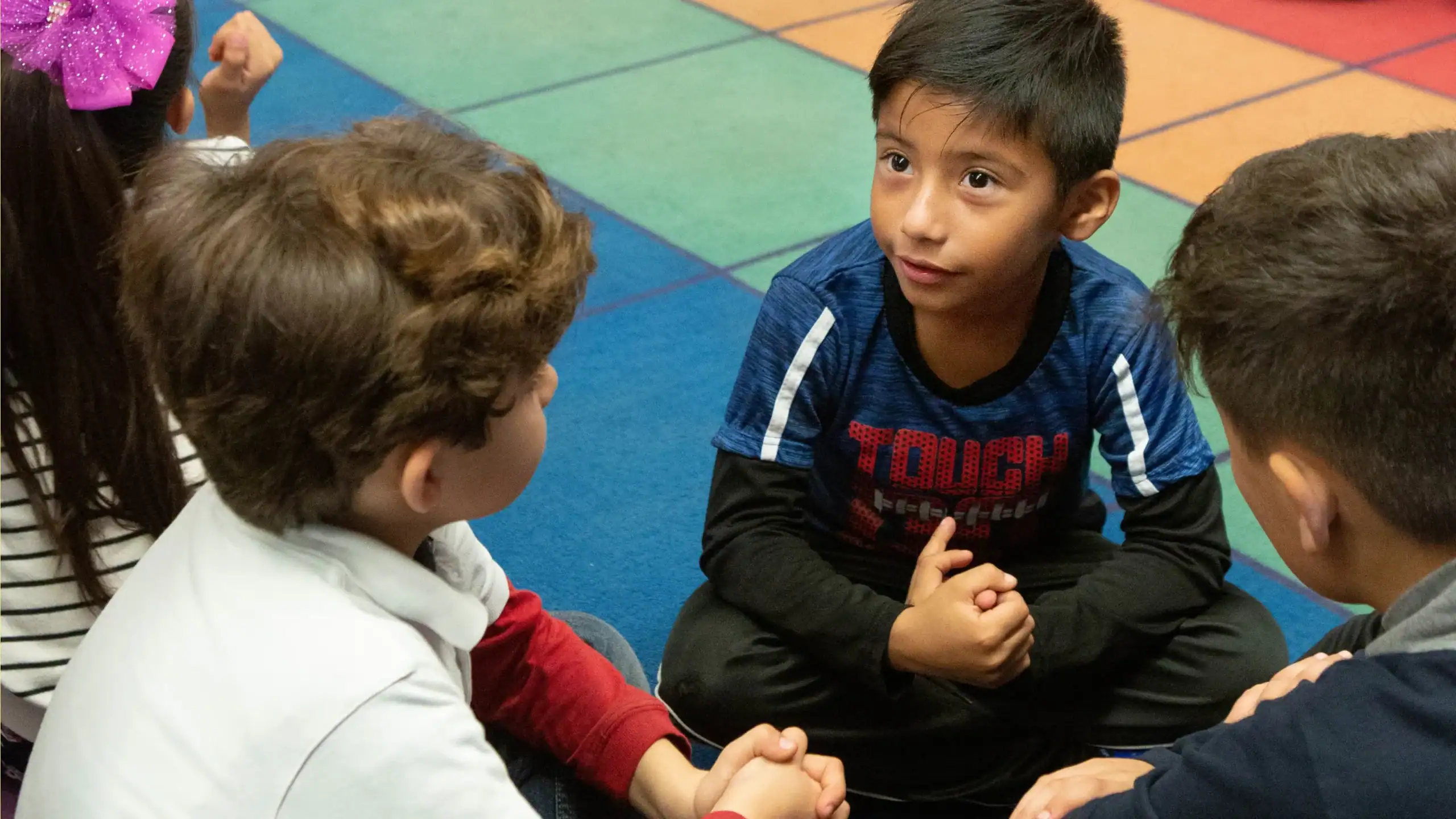
Finding common ground can really transform how students relate to one another. Think about it—everyone has experienced a disagreement at some point, right? It’s so important to model these skills for your students.
Start by selecting relatable scenarios that echo their daily lives, fostering trust building within your classroom.
Ask yourself, “What conflicts do my students face?” This kind of reflection not only enhances student engagement but also makes the practice feel relevant to them.
After role-plays, facilitate discussions on what strategies worked and what didn’t. Keep things light and supportive to encourage open communication, essential for SEL curriculum.
Reflecting through journaling can also boost self-awareness and help solidify the lessons learned, creating a smoother transition to the next topic. As we think about student engagement, trust building, SEL curriculum, classroom management, and self-awareness, we must prioritize creating a supportive environment that fosters growth and connection among all learners.
How To Support Peer Relationships

Creating a sense of connection among students can transform their school experience. When kids feel supported, it boosts their emotional well-being and helps them thrive.
These strong bonds contribute to a growth mindset, encouraging them to embrace challenges and learn collaboratively.
Group activities are a great way to develop social skills, allowing students to engage meaningfully with one another.
Setting aside time for sharing feelings and experiences not only deepens connections but also fosters crucial problem-solving skills. A classroom environment that promotes inclusivity lays the groundwork for nurturing relationships among peers.
Model positive interactions and help students appreciate the value of understanding each other’s perspectives. Fostering these connections can lead to lasting friendships that enrich their educational journey.
| Key Concept | Supporting Data |
|---|---|
| Emotional Well-being | Supportive connections boost emotional health. |
| Growth Mindset | Strong bonds encourage embracing challenges. |
| Social Skills Development | Group activities foster meaningful engagement. |
| Problem-solving Skills | Sharing experiences enhances critical thinking. |
Fostering Resilience Through Kindness Projects
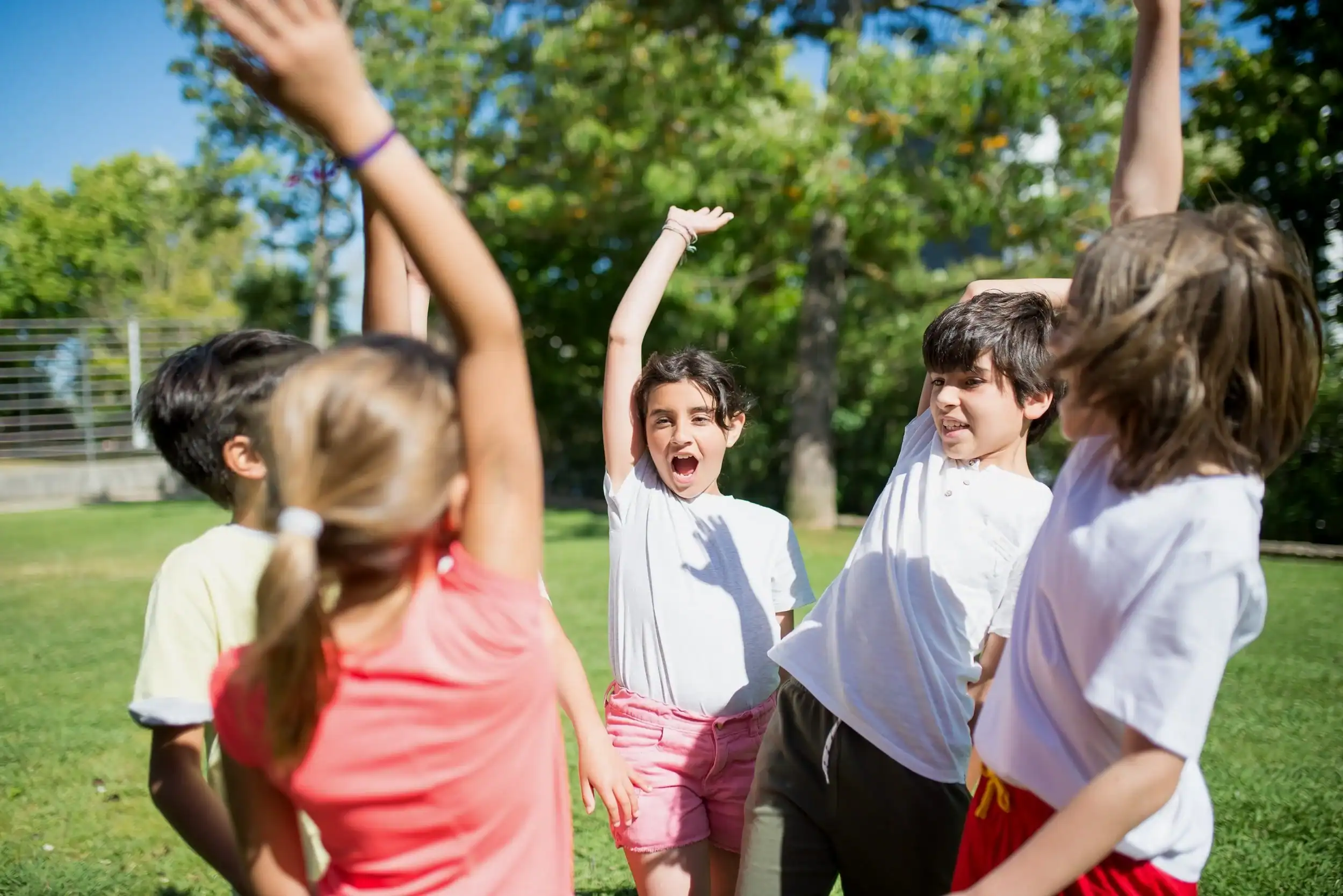
Encouraging kids to engage in community projects offers a unique way for them to develop emotional strength. These activities set the stage for children to connect with their peers while enhancing their social skills.
Take a community clean-up day, for example; such awareness exercises can instill a sense of teamwork and responsibility.
Even the simplest gestures, like random acts of kindness, resonate deeply and can foster emotional growth.
When students participate, they encounter real-life scenarios that help them build resilience. Plus, collaborating with others nurtures connections and empathy among them.
It’s all about crafting a welcoming environment where everyone feels valued and understood.
Transitioning from how to support peer relationships, implementing daily check-ins for emotional wellness can further strengthen those bonds. These check-ins create a space for kids to express their thoughts and feelings through various methods like awareness exercises, roleplaying, mood meters, and community circles.
Implementing Daily Checkins For Emotional Wellness
Have you considered the impact a few simple conversations can have in a learning space? Quick chats can work wonders, allowing students to voice their feelings and enhance their personal development. These interactions foster a sense of openness and help cultivate a supportive environment where everyone feels appreciated.

Starting these exchanges is straightforward.
Choose a regular time, perhaps right after arrival, and create an inviting atmosphere.
A cozy corner with cushions can really brighten the space.
Encourage your students to share their thoughts freely; this not only promotes peer mentoring but also strengthens connections among classmates.
To elevate the discussion, try incorporating interactive techniques that boost engagement. Questions like, How are you feeling today? or What’s one good thing that happened encourage personal development, foster positive character traits, and create a supportive environment for peer mentoring, ultimately enhancing emotional wellness.
| Impact of Conversations | Benefits of Peer Mentoring |
|---|---|
| Enhances personal development | Strengthens connections among classmates |
| Fosters a supportive environment | Encourages open communication |
| Boosts emotional wellness | Promotes positive character traits |
Conclusion
Creating a nurturing classroom is a continuous adventure that brings amazing benefits for educators and students alike. Incorporating mindfulness breaks and implementing consistent routines can foster an environment where emotional well-being flourishes.
Every small step encourages students to engage more deeply with their learning journey.
It’s important to stay patient and adaptable, allowing inclusive practices to develop along with your classroom’s dynamics.
As you reflect on your experiences, think about how relationship skills and active listening can further enhance your students’ growth. Together, we can cultivate spaces that inspire resilience and joy in learning
Originally posted 2025-08-28 07:47:51.


Comments are closed